
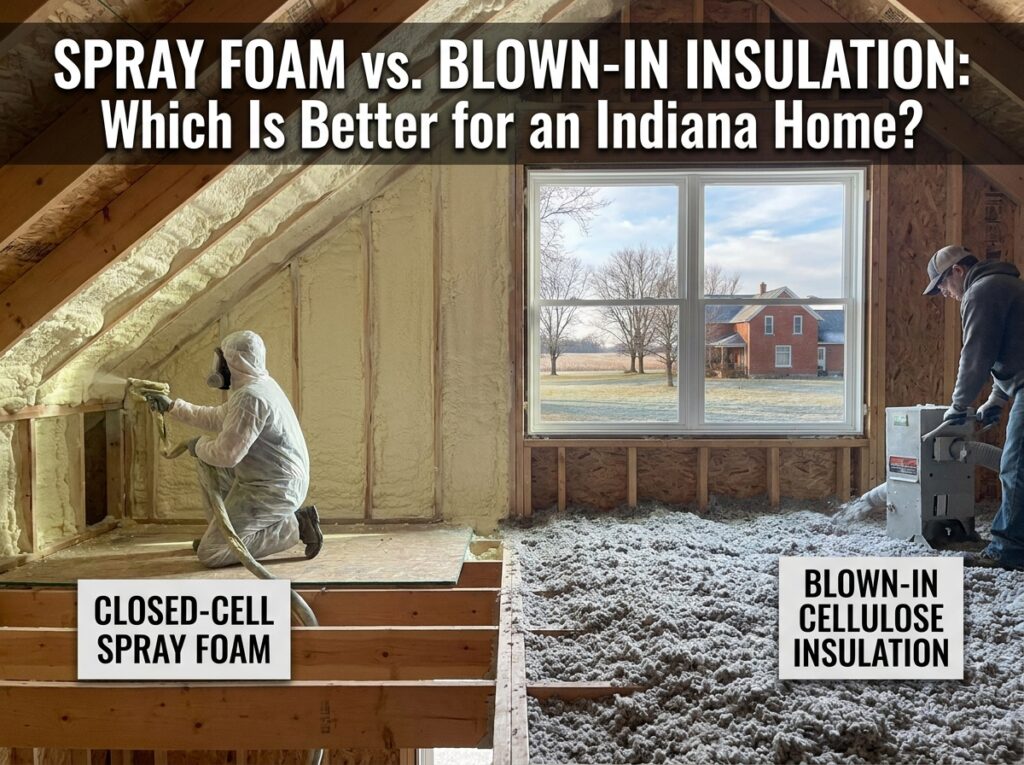
Spray Foam vs. Blown-In Insulation: Which Is Better for an Indiana Home?
For Indiana homes, closed-cell spray foam insulation provides superior moisture control and air sealing with R-6.5 to R-7 per inch, […]
For Indiana homes, closed-cell spray foam insulation provides superior moisture control and air sealing with R-6.5 to R-7 per inch, […]
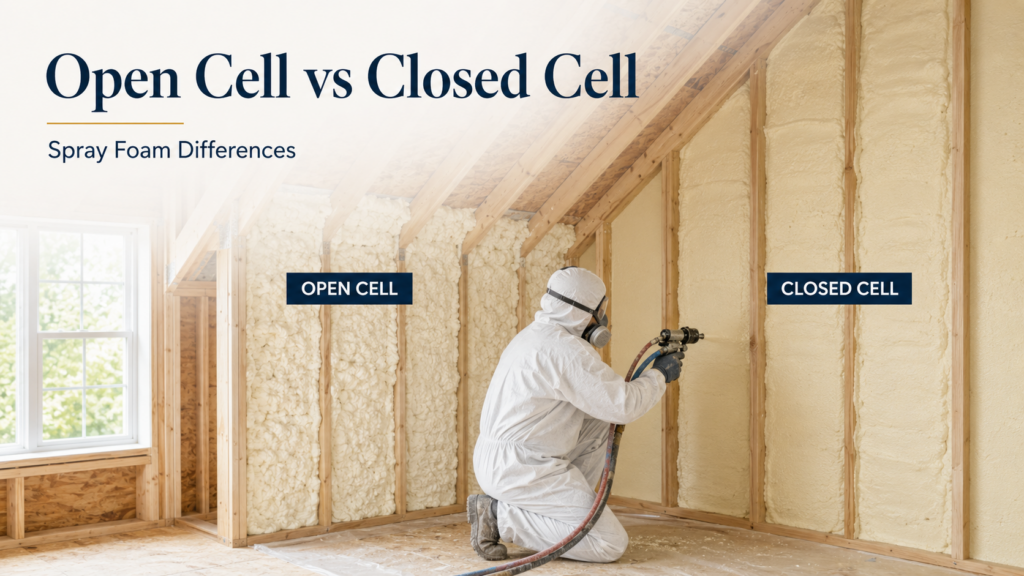
The primary difference between open cell and closed cell spray foam insulation lies in their cell structure, density, and performance

For Indiana homes, closed-cell spray foam insulation delivers superior performance in humid summers and cold winters, achieving R-6.5 to R-7
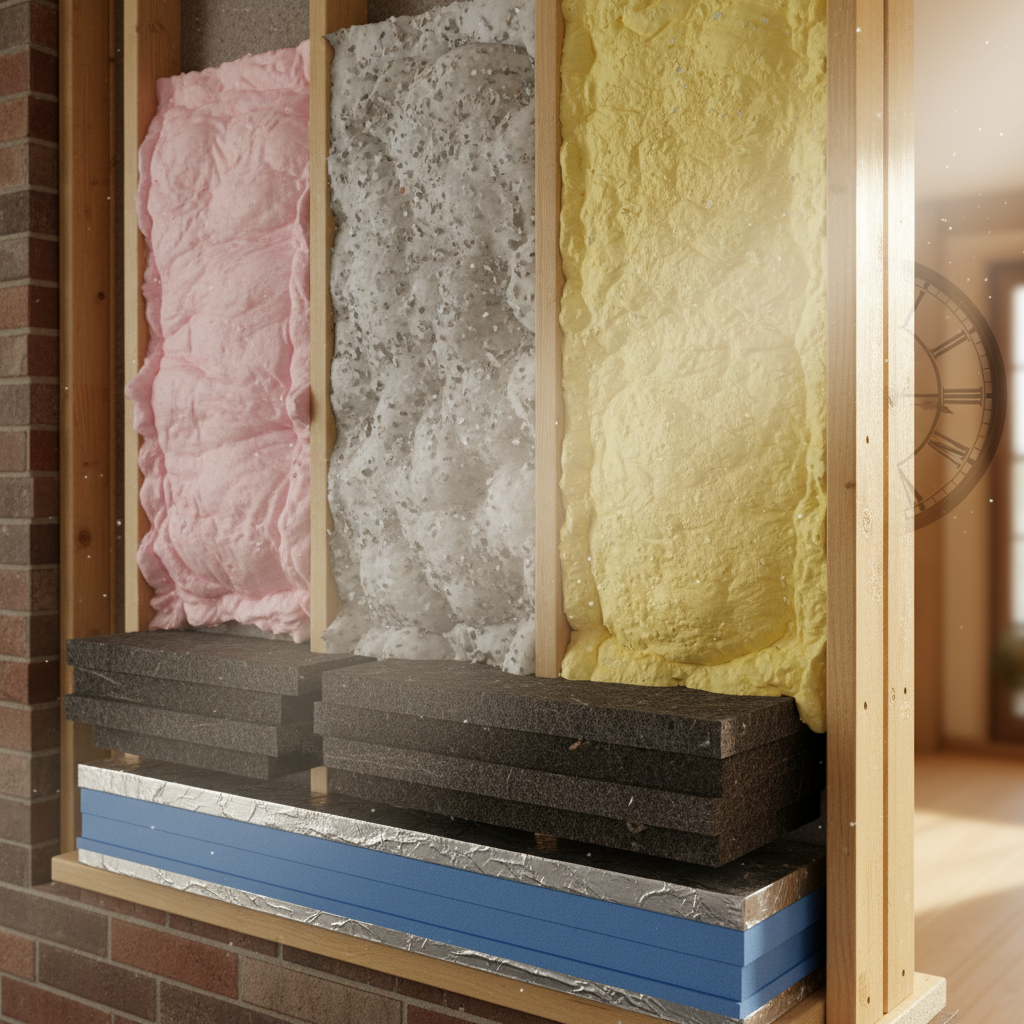
Understanding how long home insulation lasts remains one of the most critical considerations for homeowners planning energy efficiency improvements. The
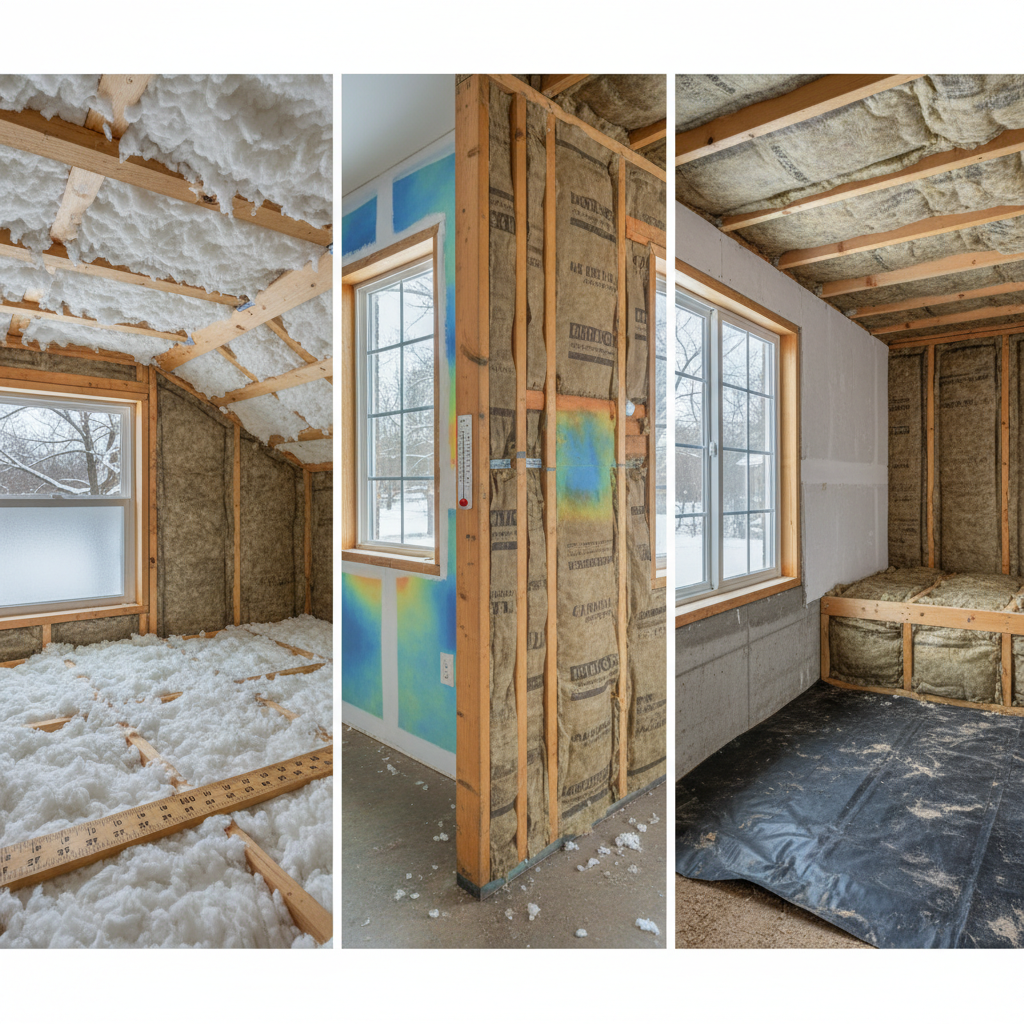
R-value is a measurement of thermal resistance that indicates how effectively insulation materials resist heat flow through walls, attics, and
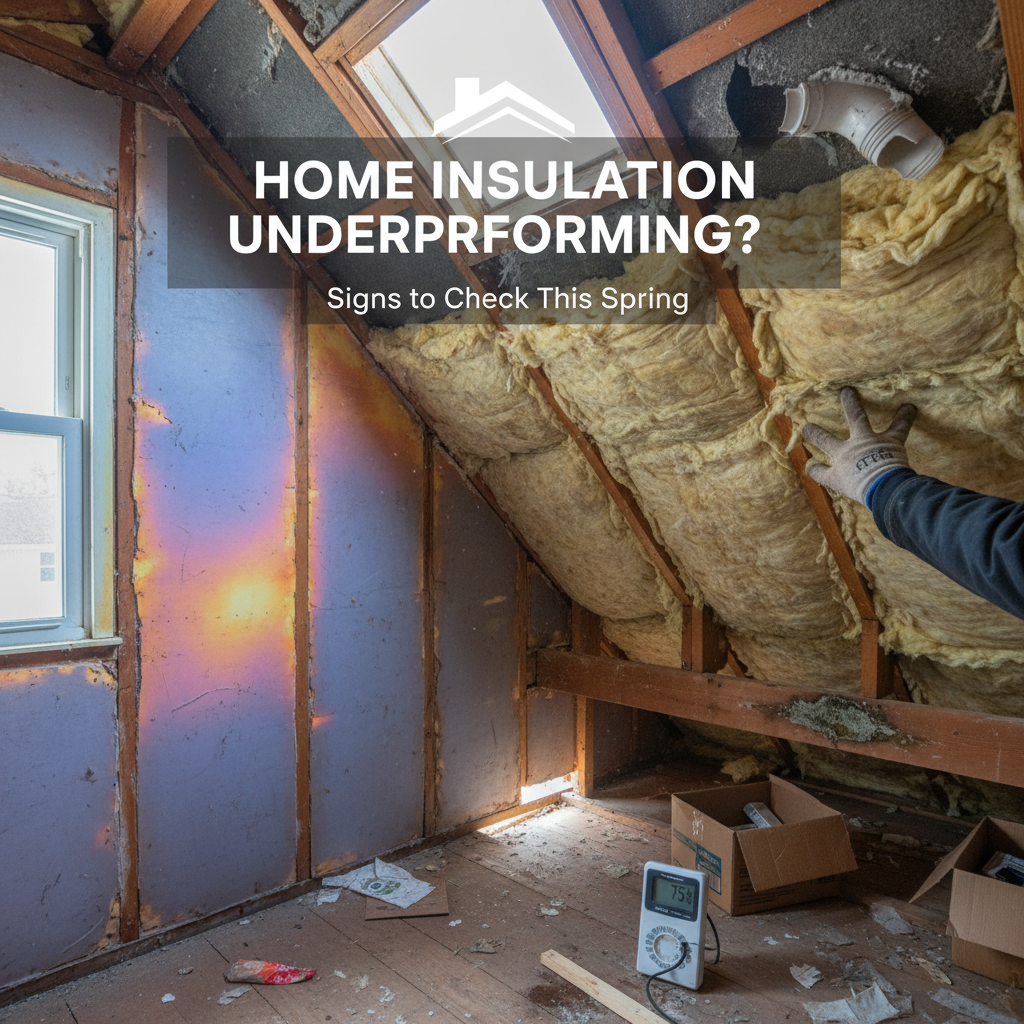
Underperforming insulation costs American homeowners an average of 20-30% more in annual heating costs and cooling costs, according to the

Indiana homeowners face unique thermal efficiency challenges due to the state’s classification as Climate Zone 5, experiencing significant heating degree
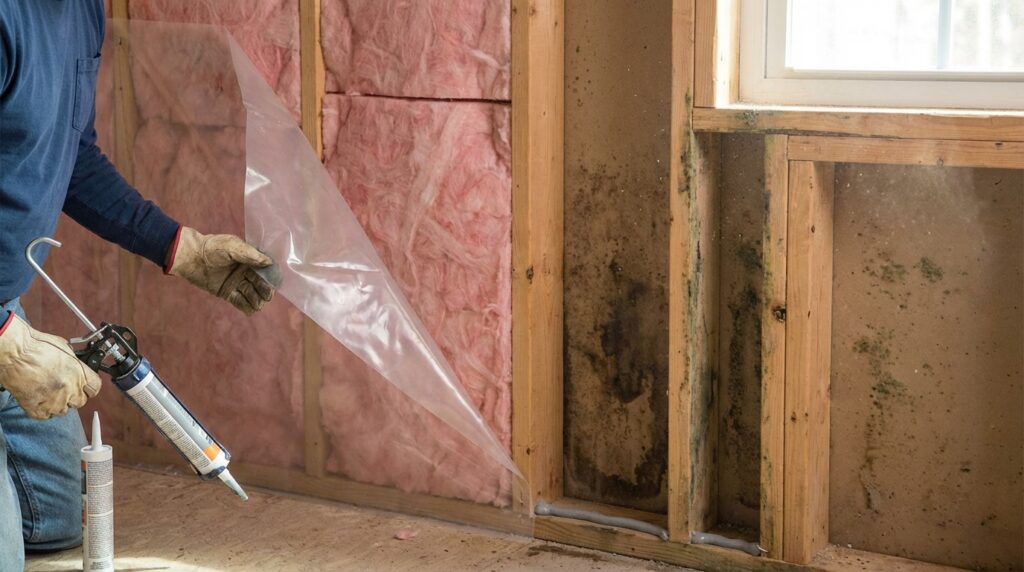
Winter weather creates unique challenges for homeowners, particularly concerning moisture accumulation and mold growth within residential structures. Proper thermal insulation
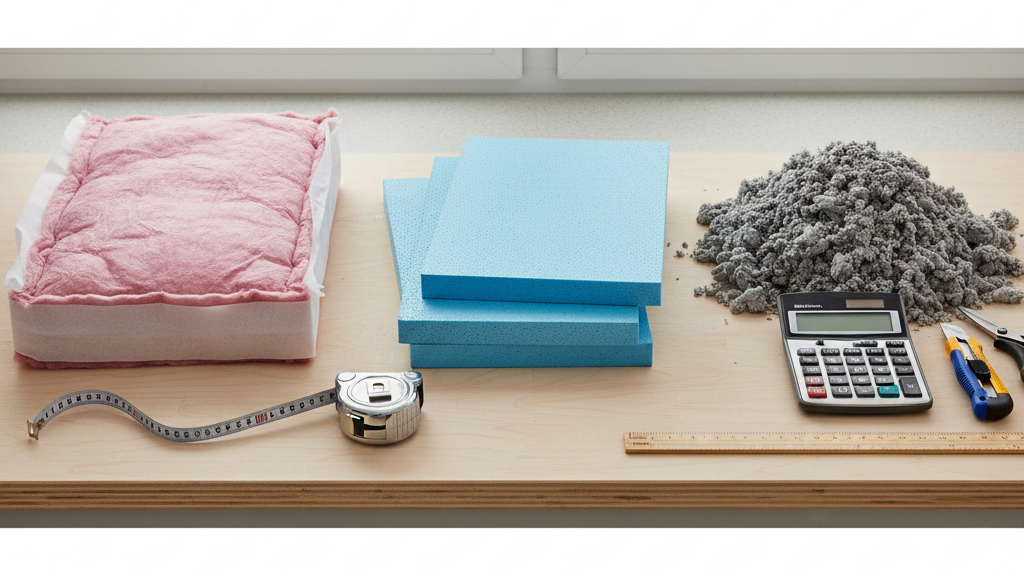
As energy costs continue to rise and home comfort becomes increasingly important, Indiana homeowners are prioritizing insulation like never before.
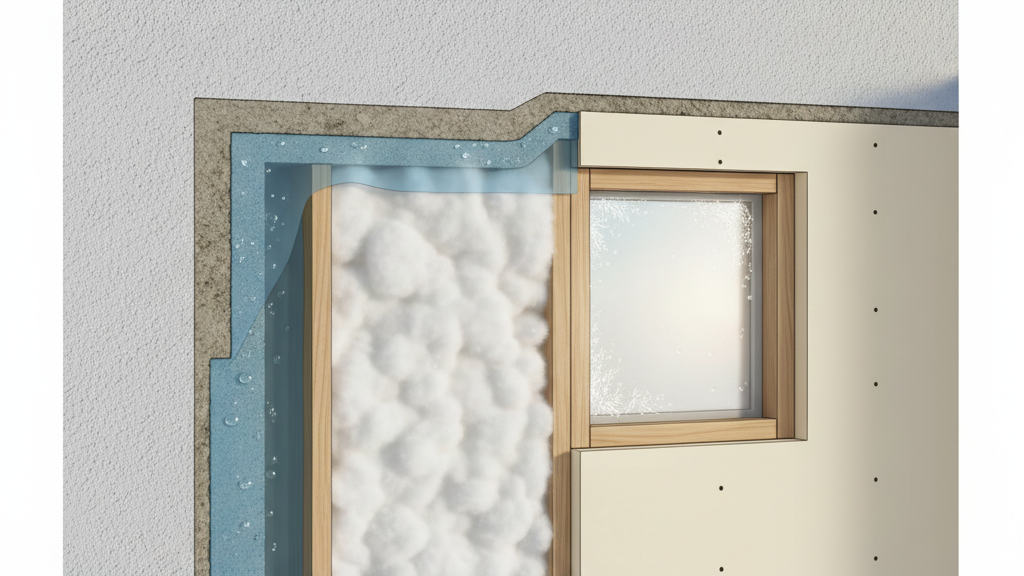
When winter settles in across Indiana, it brings chilly temperatures, holiday cheer, and unfortunately — moisture challenges that can quietly