
Indiana winters can be brutal, especially in December when temperatures dip below freezing and heating systems are pushed to their limits. One of the most effective ways to maintain a warm and energy-efficient home during the coldest months of the year is by ensuring that your insulation is performing at its best. Proper insulation not only keeps your living spaces comfortable but also helps you save on energy bills and avoid costly repairs.
At Homeward Insulation, we understand the challenges that Indiana homeowners face during winter. With decades of combined experience in attic insulation, crawl space insulation, wall insulation, and energy efficiency upgrades, our team is here to help you stay warm and worry-free all season long. Below are expert winter insulation tips designed specifically for Indiana homes in December.
1. Check Existing Insulation for Damage or Gaps
Before the winter chill sets in, it’s essential to inspect your current insulation for any signs of wear and tear. Over time, insulation can settle, become compacted, or develop gaps that allow cold air to enter your home. Pay special attention to the attic, crawl spaces, and exterior walls, as these areas are often the most vulnerable.
If you notice drafts, cold spots, or uneven temperatures in your home, it could be a sign that your insulation is underperforming. In Indiana, where temperature swings are common in winter, even small issues can lead to significant energy loss.
Tip:
Use a thermal imaging camera or schedule an energy assessment to identify problem areas that need to be resealed or reinsulated.
2. Upgrade Your Attic Insulation
The attic is one of the most critical areas for winter insulation. Since warm air rises, poorly insulated attics can lead to significant heat loss. Upgrading your attic insulation is one of the most cost-effective ways to increase home comfort and reduce your energy bill during the winter months.
Homeward Insulation offers high-performance attic insulation solutions that include blown-in cellulose and fiberglass options, designed to provide excellent thermal resistance (R-value) for Indiana’s climate.
Benefits of Proper Attic Insulation:
- Reduces heating costs
- Improves indoor comfort
- Prevents ice dams and moisture buildup
- Extends the life of your roof and HVAC system
3. Insulate Crawl Spaces and Rim Joists
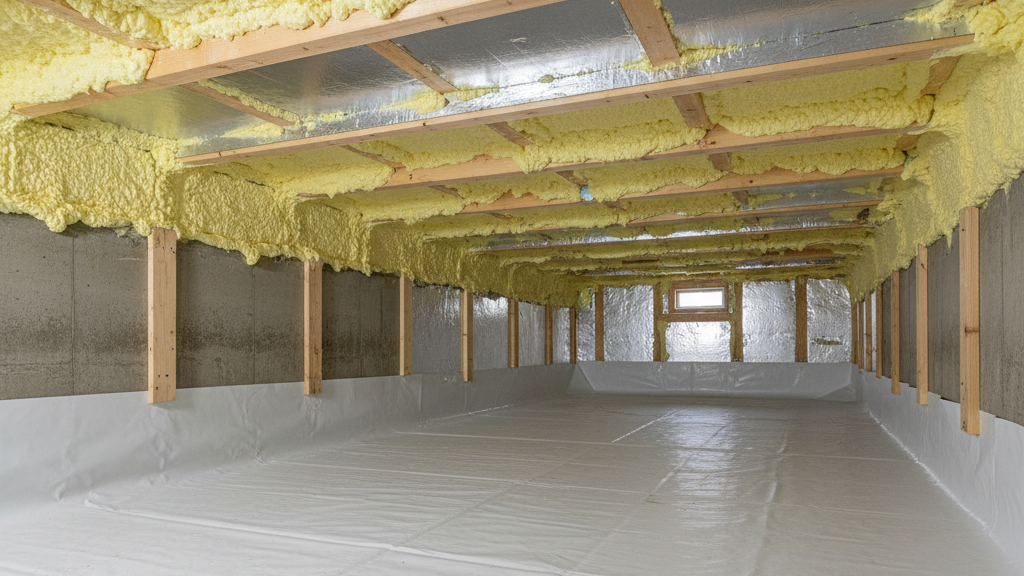
In many Indiana homes, crawl spaces are a major source of energy loss and drafts. Cold air can infiltrate through unsealed crawl spaces and rim joists, leading to cold floors and increased heating demand. Properly insulating and sealing these areas is vital for maintaining a consistent indoor temperature throughout December and beyond.
Closed-cell spray foam or rigid foam board insulation are excellent choices for crawl spaces and rim joists. These materials resist moisture, reduce air infiltration, and provide a durable thermal barrier.
Tip:
Make sure to install a vapor barrier to prevent moisture buildup, which can lead to mold and structural issues over time.
4. Seal Air Leaks Around Windows and Doors
Even with quality insulation, air leaks around windows and doors can compromise your home’s energy efficiency. Use weatherstripping and caulking to seal any noticeable gaps where cold air might enter. For older windows, consider adding storm windows or using window insulation film during the coldest months.
Although this is more of a sealing solution than an insulation upgrade, it significantly enhances the performance of your overall insulation system.
5. Consider an Energy Audit Before Winter
An energy audit is a great way to identify hidden problems in your home’s insulation and air sealing. A professional energy assessment can provide detailed insights into where heat is being lost and which areas of your home need improvement.
Homeward Insulation partners with Indiana homeowners to perform comprehensive energy evaluations, helping you make informed decisions about your insulation upgrades. This proactive step ensures your home is winter-ready and operating at peak efficiency.
6. Don’t Forget the Basement and Garage
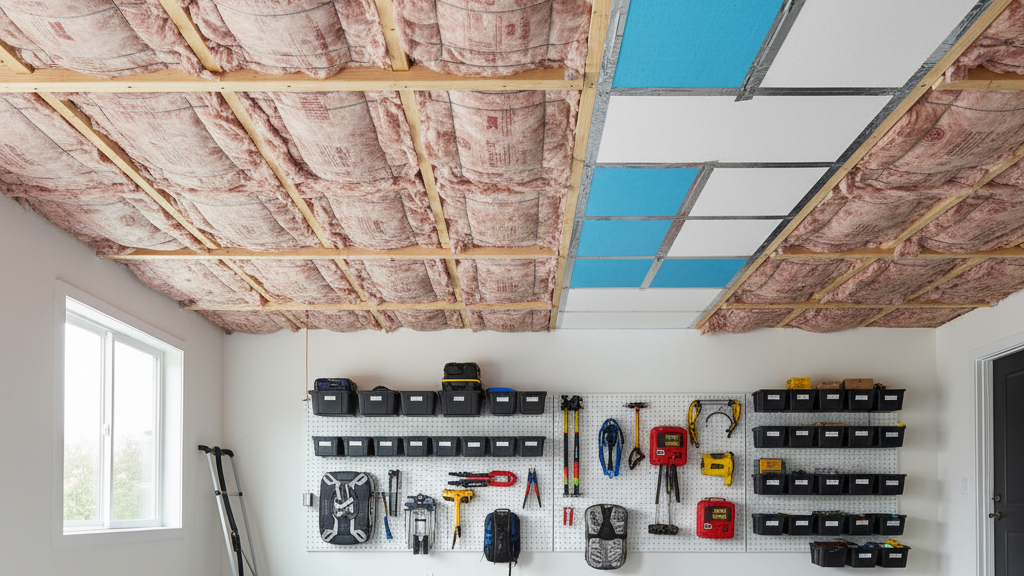
Unfinished basements and attached garages are often overlooked when it comes to winter insulation. These areas can transfer cold air into adjacent living spaces, reducing the effectiveness of your home’s heating system.
Insulating basement walls and garage ceilings can create a thermal barrier that keeps the cold out and prevents warm air from escaping. This not only improves comfort but also protects plumbing and mechanical systems from freezing temperatures.
7. Choose the Right Insulation for Indiana’s Climate
Indiana falls into Climate Zone 5, which means homes in this region benefit most from insulation with higher R-values. Whether you’re using fiberglass batts, blown-in cellulose, or spray foam, choosing the appropriate insulation for each area of your home is critical.
At Homeward Insulation, we help homeowners select materials that are not only energy-efficient but also safe, eco-friendly, and effective in the Midwest’s varied winter conditions.
8. Schedule Professional Installation
While some insulation improvements can be DIY-friendly, many areas—especially attics and crawl spaces—require professional installation for the best results. Improper installation can reduce insulation performance and may even lead to moisture issues or air leaks.
Our trained technicians ensure that your insulation is installed to code, with optimal coverage and long-term durability. We use industry-leading techniques and products to maximize comfort and efficiency all winter long.
Stay Warm This Winter with Help from Homeward Insulation
Don’t let Indiana’s December cold catch you off guard. Whether you’re dealing with cold drafts, high energy bills, or inconsistent temperatures, upgrading your home’s insulation can make a world of difference. With professional service and expert knowledge, Homeward Insulation is your trusted partner in creating a cozier, more energy-efficient home.
Contact us today to schedule an insulation assessment or learn more about our winter insulation services.