
When winter settles in across Indiana, it brings chilly temperatures, holiday cheer, and unfortunately — moisture challenges that can quietly threaten your home’s structure. Moisture buildup and mold growth are among the most common problems homeowners face during the colder months. But here’s the good news: with proper winter insulation, you can dramatically reduce these risks while boosting comfort and energy efficiency.
If you’ve noticed condensation on your windows, musty odors, or patchy mold growth in corners and crawl spaces, your insulation may not be performing the way it should. This not only affects indoor air quality but can also compromise the structural integrity of your home over time. In this article, we’ll dive into how proper insulation combats moisture, prevents mold, and protects your home’s structural health throughout winter. And if you’re ready for expert solutions, you can always Contact us for a comprehensive assessment tailored to your Indiana home.
Winter Moisture: The Silent Structural Threat
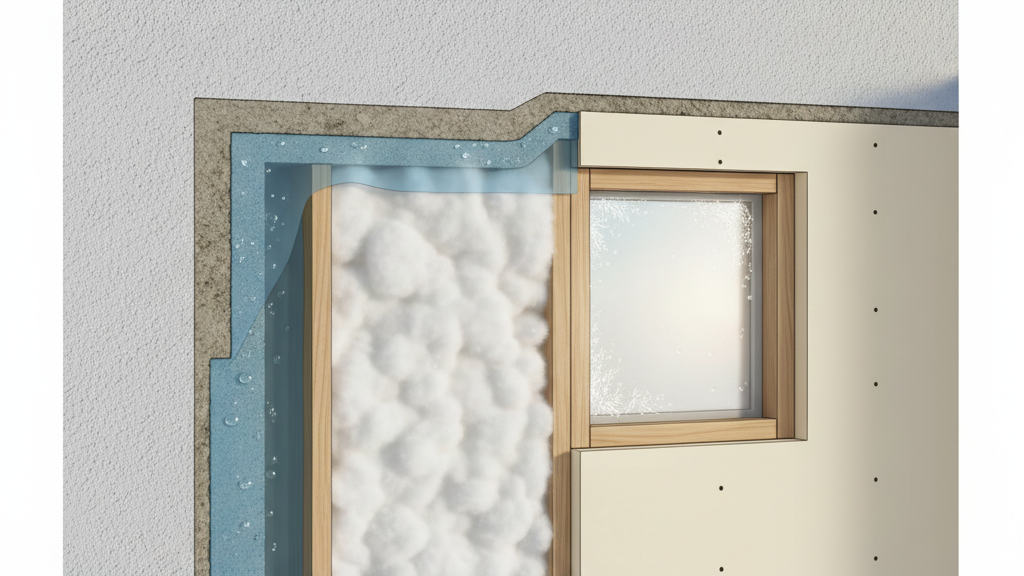
Moisture issues are often most noticeable in winter because warm indoor air holds more moisture than cold outdoor air. When that warm air meets cold surfaces — like poorly insulated walls or attic floors — it condenses, leading to water droplets forming on surfaces. Over time, this trapped moisture can saturate building materials like wood, drywall, and insulation itself.
Unchecked moisture leads to a host of problems:
- Mold and Mildew Growth – Mold thrives in damp environments and can spread quickly throughout porous materials.
- Structural Damage – Moisture warp framing, rot wooden beams and weaken structural components.
- Poor Indoor Air Quality – Mold spores become airborne and can exacerbate allergies and respiratory issues.
- Decreased Energy Efficiency – Damp insulation loses its effectiveness, causing heat loss and higher energy bills.
Fortunately, proper insulation solutions can drastically lessen winter moisture problems by controlling temperature differences and airflow — the two main contributors to condensation buildup. For tailored insulation recommendations and professional installation, don’t hesitate to Contact us.
How Insulation Controls Moisture Formation
Insulation plays a vital role in minimizing temperature gradients between indoor surfaces and outdoor air. Here’s how it helps control moisture:
Maintains Surface Temperature Above Dew Point
Condensation occurs when warm, moist indoor air touches a cold surface and cools below the dew point, releasing moisture. Well‑installed insulation helps keep interior surface temperatures warmer, reducing the likelihood that indoor air will cool to the point of condensation.
Regulates Air Movement
Air leakage is a major contributor to moisture problems. Without proper insulation and air sealing, warm indoor air can travel into wall cavities or attic spaces where it cools and condenses. When insulation is paired with effective air sealing, this unwanted airflow is significantly reduced.
Improves Energy Efficiency
Efficient insulation prevents heat loss through the building envelope, which not only reduces your heating costs during cold months but also maintains consistent temperatures throughout your home. Stable temperatures decrease the conditions where condensation can form.
Mold: The Hidden Danger of Winter Moisture
Mold isn’t just unsightly — it’s a health and structural hazard. Once mold establishes itself, it spreads quickly across organic materials such as wood, paper, and even insulation. In many cases, homeowners only discover mold after it has become a major problem, requiring costly remediation.
Mold growth is triggered by three conditions:
- Moisture
- Organic surfaces
- Poor ventilation
Proper insulation helps eliminate the first condition by reducing condensation and trapping moisture within walls and crawl spaces. When combined with air sealing and effective ventilation, insulation creates an environment where mold struggles to survive.
Common Moisture & Mold Issues Caused by Poor Insulation
Understanding the signs of poor insulation can help you take action before serious damage occurs. Watch for these common symptoms:
Condensation on Windows and Walls
If you see frequent condensation on windows or interior walls during winter, it’s a sign that warm, moist air is interacting with cold surfaces — a classic symptom of inadequate insulation or air sealing.
Musty Odors
A persistent musty smell is often a red flag for mold growth. That odor is typically caused by airborne mold spores thriving in damp, poorly insulated areas like basements and crawl spaces.
Discolored Walls or Ceiling Spots
Dark, discolored patches on walls and ceilings can indicate moisture accumulation and mold development. These areas should be inspected promptly, as they are often connected to insulation failures or temperature inconsistencies.
Cold Floors and Drafts
If your floors feel cold in winter or you notice drafts near baseboards, insulation gaps could be allowing cold air infiltration — which also encourages moisture problems when warm indoor air meets that cold surface.
Where Insulation Matters Most for Moisture Prevention
Not all insulation projects are created equal — some areas of your home are far more critical when it comes to moisture control. Here are key zones where proper insulation makes the biggest difference:
Attic and Roofline
The attic is a primary source of moisture challenges. Without proper insulation and air sealing, warm air from your living space can escape upward into the attic, where it meets cold roof surfaces and condenses. Upgrading attic insulation is one of the most impactful steps you can take to prevent moisture buildup.
Exterior Walls
Exterior walls are exposed to outdoor temperature swings and moisture intrusion. Upgrading wall insulation helps keep interior wall surfaces warm, reducing the risk of condensation and subsequent mold growth.
Crawl Spaces and Basements
These lower‑level areas are prone to moisture because they’re closer to the ground and often poorly insulated. Properly insulating crawl spaces and basement walls — along with installing a moisture barrier — significantly reduces humidity and moisture entry.
Around Ductwork and Air Leaks
Unsealed ducts and gaps around plumbing, electrical penetrations, and windows allow warm, moist indoor air to travel into building cavities, where it can condense. Professional insulation installers address these issues with air‑sealing techniques that enhance insulation performance.
Choosing the Right Insulation for Moisture Protection
Different insulation materials offer unique benefits when combatting moisture and improving energy efficiency:
- Blown‑In Insulation: Excellent for attic and hard‑to‑reach wall cavities, helping fill gaps and reduce air leakage.
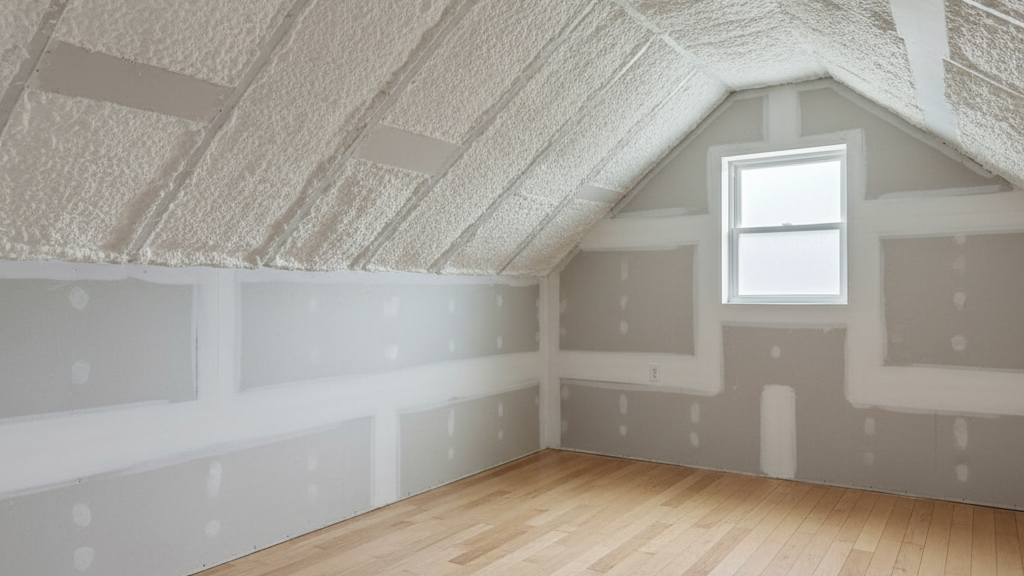
- Spray Foam Insulation: Creates an effective air seal while providing high R‑value, minimizing moisture transfer.
- Fiberglass and Cellulose: Cost‑effective options that perform well when installed with air‑sealing measures.
A professional insulation assessment ensures you choose the right materials and strategies for your home’s specific needs. Proper installation is key to maximizing moisture control and mold prevention — and that’s exactly what our experts specialize in. Contact us to learn more.
Winter Insulation: An Investment That Protects and Saves
Beyond moisture and mold prevention, proper insulation delivers a range of benefits that protect your home and your wallet:
- Lower Energy Bills – Increased efficiency means less heating demand.
- Enhanced Comfort – Stable indoor temperatures and fewer drafts.
- Long‑Term Structural Protection – Reduced wear and tear on your home’s framework.
- Improved Indoor Air Quality – Less mold, mildew, and airborne allergens.
When to Call the Pros
If you suspect moisture issues, mold growth, or poor insulation in your home — don’t wait. Early intervention can prevent costly repairs and preserve indoor air quality and comfort levels throughout the winter and beyond.
Contact us today to schedule a professional insulation evaluation. Our experienced technicians will assess your home’s insulation levels, identify areas of moisture risk, and recommend tailored solutions that protect your structure and improve energy performance. With the right insulation strategy, you can enjoy a warmer, healthier, and more efficient home this winter.