
As the days shorten and temperatures begin to dip, late fall is a strategic window for homeowners to think carefully about insulation. This season presents unique opportunities and challenges for balancing cost, performance, and long term return on investment. At Homeward Insulation, we specialize in helping you make the smartest insulation decisions not just for winter, but for all seasons.
Why Late Fall Is a Distinct Season for Insulation
Unlike peak summer or deep winter, late fall sits in a transitional zone where heating systems start running regularly, but demand and weather volatility have not peaked yet. That means:
- Contractors schedules may be more flexible, giving you better access or pricing
- Materials are still readily available before the winter rush
- Weather conditions are mild enough to allow clean, effective installation without extreme cold or heat stress
- Improvements made now start paying back immediately through reduced heating use in winter
Budget Considerations This Time of Year
When planning insulation in late fall, your budget needs to account for:
- Material costs and availability: Some insulation materials maintain stable pricing late in the year because supply chains have not been strained yet. But rarer or specialty products may already see price increases
- Labor premiums and scheduling: You may negotiate better rates before high winter demand, but some contractors may charge travel or urgency premiums as days get colder
- Supplemental sealing and air leak fixes: In late fall, existing leaks start to show their impact. You may need caulking, foam sealing, or weather stripping in addition to insulation itself
- Reduced performance risk buffer: Because extreme cold has not fully set in, you can test and adjust more easily, reducing the risk of having to redo or supplement during midwinter
Return on Investment ROI Dynamics in Late Fall
The ROI of insulation installed in late fall tends to differ from installations done in other seasons in several ways:
- Immediate savings on heating bills: You capture more of the colder portion of the year, so energy savings begin sooner
- Better performance measurement: You can monitor how heating loads drop during the first cold snaps, giving you real feedback before winter fully arrives
- Longer useful lifetime: Insulation installed conservatively now can last through multiple winters, improving the total lifetime ROI
- Incentives and rebates alignment: Some utility or government programs offer rebates on insulation or energy upgrades, often expiring before winter. Late fall may still allow you to qualify when doing the work. Note: check your local programs
What to Focus On in a Late Fall Insulation Project
To get maximum value, late fall insulation work should focus on a few critical areas:
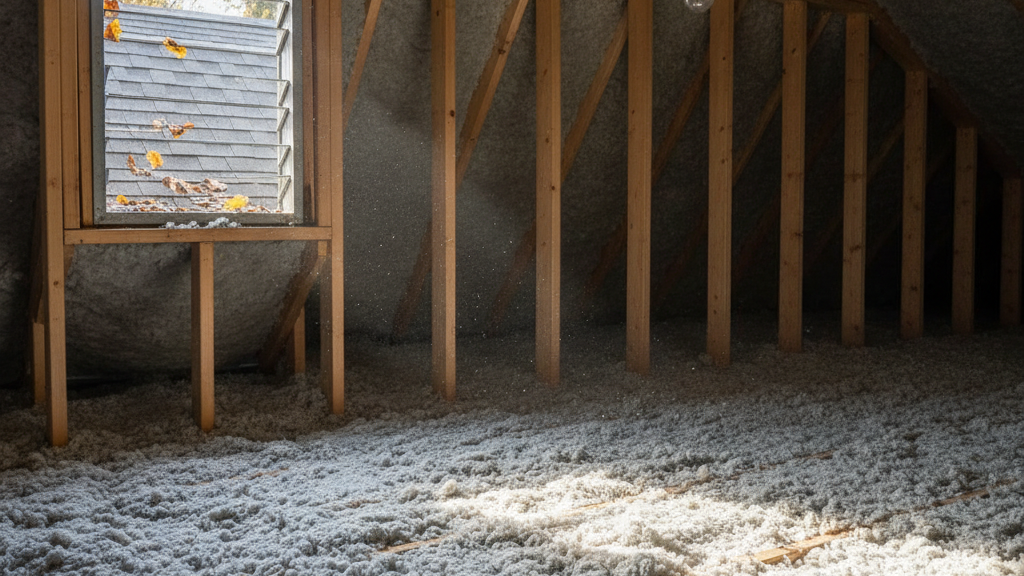
- Attic and roof insulation: Heat rises, so boosting attic insulation is often one of the highest value moves. Proper attic insulation helps reduce both heating loss in winter and cooling stress in summer. Learn more
- Air sealing and leakage control: Insulation works best when combined with sealing cracks, gaps, or poorly sealed penetrations in the home envelope
- Wall cavities and rim joists: Especially if your home is older or has partial insulation in walls, adding or topping up insulation here delivers solid marginal returns
- Moisture control and vapor management: In late fall, humidity shifts can bring condensation risks. Ensuring proper barrier layers or vapor retarders as needed is key
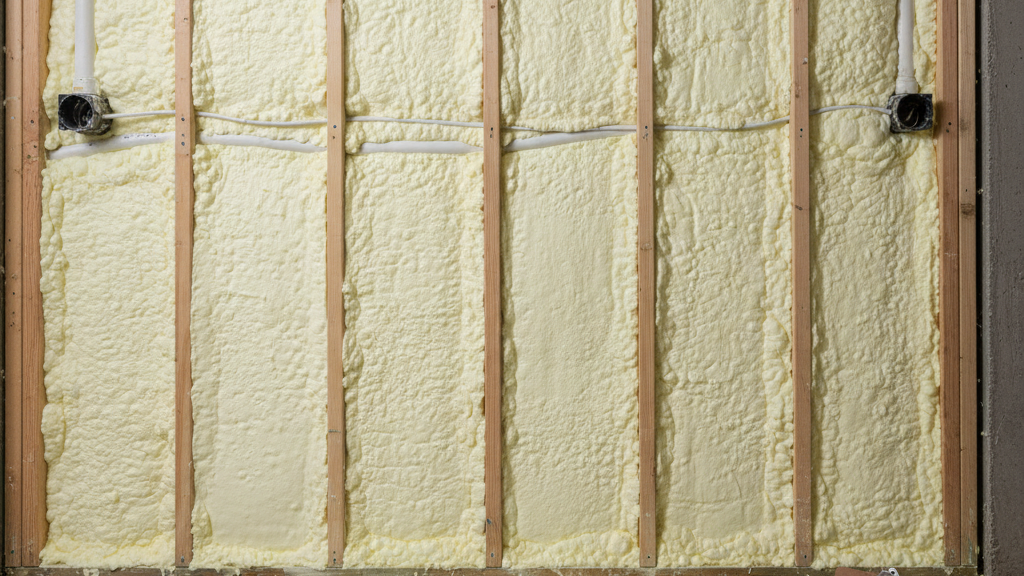
- Choice of insulation type: Depending on your budget and existing construction, options like blown in cellulose, fiberglass, or spray foam may make sense. Spray foam in particular offers excellent sealing and performance. Explore spray foam
Signs You Need to Upgrade or Replace Insulation
Before you invest, check for these warning signs that your current insulation is underperforming:
- Consistently rising energy bills without other explanation Read more
- Uneven room temperatures or persistent cold spots See the signs
- Insulation that is compressed, crumbled, or water damaged
- Drafts near walls even when windows and doors are closed
- Signs of moisture, mold, or dampness in walls or ceilings
Estimating Payback Periods and Savings Expectations
While every home is different, here are rough guidelines to help you model savings and payback in a late fall scenario:
- New insulation might reduce your heating bill by 10 to 30 percent, depending on how poor your current insulation is
- If your annual heating bill is 1200 dollars, a 20 percent improvement yields 240 dollars saved per year. Installed cost of insulation and sealing of around 2400 dollars would give a 10 year simple payback
- Because you begin capturing savings partly in the current fall and winter season, your effective first year ROI is higher than a spring installation
- Do not forget to factor in possible rebates, tax credits, or utility incentives which shorten the payback when available
Why Choosing Homeward Insulation Makes a Difference
At Homeward Insulation, we combine practical insight with deep technical expertise to ensure your insulation project delivers results you can measure. Some of our guiding principles include:
- We evaluate both insulation and air sealing as an integrated system
- We emphasize quality installation because gaps, compression, and misalignment reduce performance
- We offer guidance on material selection based on your home age, construction, and climate
- We help you assess potential incentives or rebates before winter sets in
We have helped homeowners improve comfort while cutting heating loads, all from smart, well timed projects.
Checklist: Smart Moves for Late Fall Insulation
- Get an energy audit or blower door test to know your baseline
- Prioritize attic and roof first, then move to walls and rim joists
- Combine insulation with air sealing to eliminate leakage paths
- Install vapor or moisture control layers where needed
- Time contracting before the first hard freeze to lock in rates
- Check and apply for rebates or incentives while still eligible
- Monitor your first cold snaps to validate performance gains
Conclusion: Late Fall Is a Strategic Time to Insulate
Insulating in late fall offers a smart opportunity. Lower weather risk, better contractor availability, and the advantage of capturing winter heating savings sooner all work in your favor. Because budgets and returns shift with the seasons, it is important to plan with timing in mind. With the right decisions and expert installation, your insulation investment can start paying off right away.
If you are considering insulation upgrades this season or want expert guidance on budgeting, materials, or ROI, contact us. Our team is here to help you prepare your home before winter sets in.