
Winter weather creates unique challenges for homeowners, particularly concerning moisture accumulation and mold growth within residential structures. Proper thermal insulation serves as a critical defense mechanism against these threats, protecting both structural integrity and indoor air quality. Understanding the relationship between insulation performance, moisture control, and fungal growth prevention enables homeowners to implement effective winter home maintenance strategies that safeguard their property investments.
The building envelope faces constant temperature differentials during winter months, creating conditions conducive to condensation and subsequent mold development. When warm, humid interior air encounters cold surfaces within wall cavities, attics, or crawl spaces, moisture accumulates on building materials, creating ideal environments for mold spores to colonize. Strategic insulation installation, combined with proper vapor barrier placement and ventilation systems, establishes comprehensive moisture damage prevention protocols that maintain building durability throughout harsh winter conditions.
Thermal Insulation Materials Provide Moisture-Resistant Barriers Against Condensation
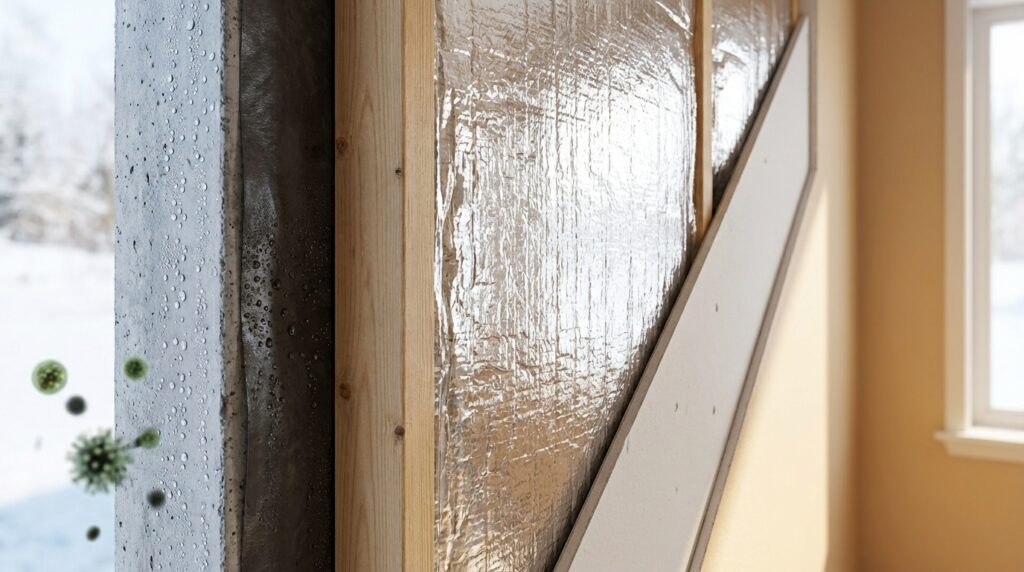
Different insulation materials offer varying levels of moisture resistance and thermal protection, making material selection crucial for effective mold prevention strategies. Spray foam insulation creates an airtight construction barrier that simultaneously provides superior R-value performance and moisture control by eliminating air leakage pathways. Fiberglass insulation and cellulose insulation require proper vapor retarder installation to prevent water vapor transmission through wall assemblies, while maintaining adequate thermal continuity across the building envelope.
The effectiveness of thermal insulation depends not only on material composition but also on proper installation techniques that eliminate thermal bridging opportunities. Gaps in insulation coverage create temperature differentials that lead to dew point conditions on structural components including studs, joists, and sheathing. Professional insulation contractors utilize thermal imaging cameras and blower door tests to identify vulnerabilities where cold weather insulation coverage requires enhancement, ensuring complete home envelope protection against moisture migration and subsequent structural damage.
How Does R-Value Affect Condensation Control in Winter?
The R-value of insulation materials directly influences their ability to maintain consistent surface temperatures above the dew point, preventing condensation formation on interior building surfaces. Higher R-value insulation in attics, walls, and basement areas keeps cold exterior temperatures from penetrating deeply into structural assemblies. This temperature regulation reduces the likelihood that warm, moisture-laden interior air will condense upon contact with cold surfaces, effectively controlling indoor humidity levels and preventing the damp conditions necessary for mold spores to establish colonies.
Building codes established by regulatory agencies including the EPA specify minimum R-value requirements based on climate zones, recognizing the critical role thermal efficiency plays in moisture remediation and building health. Insufficient insulation allows excessive heat loss, creating cold spots where moisture buildup occurs regularly throughout winter months. Insulation upgrades that meet or exceed code requirements provide enhanced energy conservation while simultaneously delivering superior moisture-proof insulation performance that protects foundation elements, subfloors, and rim joists from water damage and fungal growth.
Vapor Barriers and Air Sealing Prevent Moisture Migration Through Building Assemblies
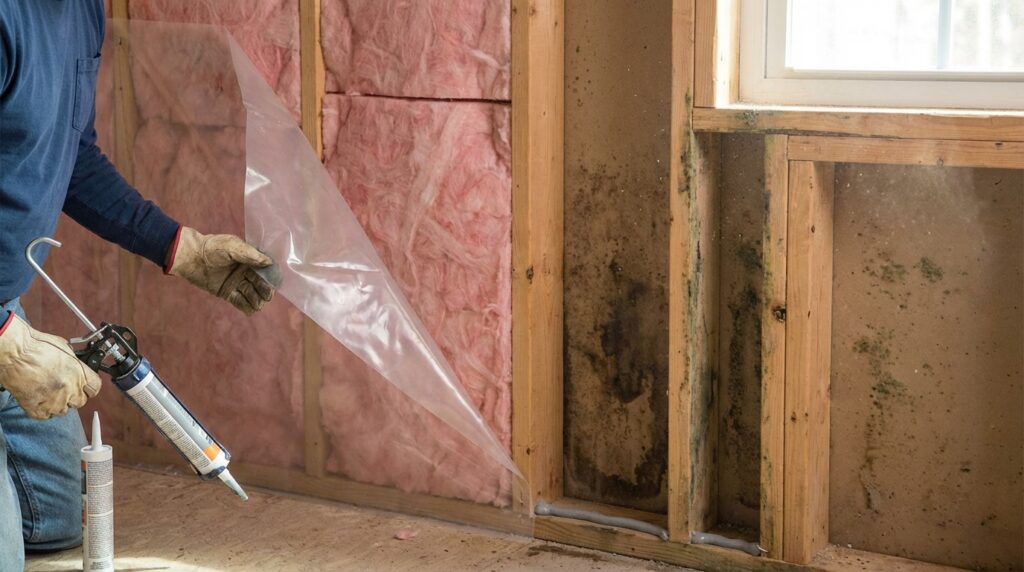
Strategic vapor barrier placement within wall cavities and attic insulation systems controls vapor diffusion by limiting water vapor transmission from heated living spaces into cold structural zones. These permeable membranes or moisture barriers allow minimal water vapor passage while preventing bulk moisture movement that leads to rot, mold growth, and compromised structural integrity. Proper vapor retarder installation on the warm side of insulation layers ensures moisture cannot accumulate within wall assemblies or roof structures during winter operation of HVAC systems.
Air sealing complements vapor barrier effectiveness by eliminating air infiltration pathways that transport moisture-laden air into concealed building spaces. Weatherstripping around doors and windows, combined with careful sealing of penetrations through the sill plate, drywall, and plywood sheathing, creates comprehensive airtight construction that prevents both energy losses and moisture problems. Home inspectors frequently identify inadequate air sealing as a primary contributor to winter moisture issues, making this aspect of winter weatherproofing essential for preventing mold in walls and protecting overall building health.
Why Are Crawl Spaces and Basements Vulnerable to Winter Moisture?
Crawl spaces and basements represent particularly vulnerable zones for moisture accumulation because they exist partially or entirely below grade, where they encounter cold soil temperatures and potential groundwater infiltration. Inadequate basement insulation allows foundation walls to remain cold, creating surfaces where warm interior air readily condenses. Without proper crawl space insulation and humidity management, these areas maintain persistently damp conditions that support black mold (Stachybotrys chartarum) colonization and wood rot in structural floor joists and subflooring materials.
Implementing comprehensive moisture control through proper winter insulation in these vulnerable spaces requires a multi-faceted approach combining insulation materials, moisture barriers, and active humidity control devices. Installing closed-cell spray foam insulation on foundation walls provides both thermal protection and waterproofing capabilities, while dehumidifiers maintain appropriate humidity levels that prevent mold growth even during periods of minimal air circulation. This integrated approach to climate control in below-grade spaces prevents structural damage to foundation elements while improving overall indoor air quality throughout the residence.
Ventilation Systems and Roof Design Elements Control Attic Moisture Accumulation
Proper roof ventilation through strategically placed soffit vents and ridge vents creates continuous air circulation patterns that evacuate moisture-laden air from attic spaces before condensation occurs on roof sheathing or insulation materials. This natural ventilation complements attic insulation performance by maintaining consistent temperature and humidity conditions that prevent ice dams formation along roof edges. Ice dams develop when inadequate insulation allows heat escape that melts snow, which subsequently refreezes at cold eaves, creating barriers that trap water and force moisture penetration through roofing materials.
Balanced attic ventilation requires equal intake and exhaust capacity to maintain effective air movement without creating pressure imbalances that could draw conditioned air from living spaces. Home inspectors evaluate ventilation adequacy using established ratios comparing ventilation area to attic square footage, ensuring sufficient air exchange occurs throughout winter months. When combined with adequate attic insulation that prevents heat retention in roof assemblies, proper ventilation systems deliver comprehensive seasonal protection against both energy losses and moisture damage that threatens structural components and interior finishes.
What Role Do Moisture Meters Play in Prevention Strategies?
Moisture meters provide quantitative measurements of moisture content in building materials, enabling early detection of moisture problems before visible mold growth or structural damage becomes apparent. Regular monitoring of moisture levels in basements, crawl spaces, and attic areas allows homeowners to identify humidity control deficiencies or insulation performance issues that require correction. Insulation contractors and mold remediation specialists utilize these diagnostic tools during inspections to verify that thermal insulation benefits extend beyond energy efficiency to include effective moisture detection and prevention capabilities.
Professional moisture assessment combines moisture meter readings with thermal imaging camera analysis to create comprehensive evaluations of building envelope performance during winter conditions. These diagnostic approaches identify hidden moisture retention within wall assemblies, ceiling spaces, and floor structures where visual inspection cannot reach. By documenting baseline moisture conditions and monitoring changes over time, homeowners establish proactive maintenance protocols that address moisture issues before they escalate into expensive mold remediation projects or structural repairs affecting critical components including joists, studs, and foundation elements.
Comparison of Insulation Materials for Winter Moisture Control
| Insulation Type | R-Value per Inch | Moisture Resistance | Air Sealing Properties | Best Application |
|---|---|---|---|---|
| Spray Foam Insulation | 6.0-7.0 | Excellent | Superior (airtight barrier) | Basements, crawl spaces, rim joists |
| Fiberglass Insulation | 2.2-2.7 | Poor (requires vapor barrier) | Minimal | Wall cavities, attic floors |
| Cellulose Insulation | 3.2-3.8 | Good (treated for moisture) | Moderate (fills gaps) | Attic insulation, dense-pack walls |
| Rigid Foam Boards | 4.0-6.5 | Excellent | Good (with sealed joints) | Foundation walls, continuous exterior insulation |
Professional Assessment Ensures Comprehensive Winter Home Protection
Engaging qualified professionals including home inspectors, insulation contractors, and mold remediation specialists ensures that winter insulation strategies address all aspects of moisture and mold prevention effectively. These experts conduct comprehensive evaluations using specialized equipment such as blower door tests and thermal imaging cameras to identify specific vulnerabilities in existing insulation systems. Their assessments reveal opportunities for insulation upgrades that enhance both energy conservation and moisture damage prevention, protecting property values while improving thermal comfort and indoor climate management throughout winter months.
Professional installation of thermal insulation, vapor barriers, and air sealing measures guarantees compliance with building codes while optimizing insulation effectiveness for long-term building health. Experienced contractors understand the nuanced requirements for different building zones, ensuring proper insulation installation in challenging areas including soffits, around penetrations, and at transitions between different assembly types. This expertise prevents common installation errors that compromise both draft prevention capabilities and moisture-resistant barriers, delivering comprehensive frost protection and structural protection that preserves home integrity across multiple winter seasons.
Frequently Asked Questions
How does proper winter insulation prevent mold growth in homes?
Proper winter insulation maintains consistent surface temperatures above the dew point, preventing condensation formation where warm interior air contacts cold surfaces. By eliminating moisture accumulation on walls, ceilings, and structural components, insulation removes the damp conditions mold spores require for colonization. Combined with vapor barriers and adequate ventilation, quality insulation creates an environment inhospitable to fungal growth while protecting structural integrity.
What is the difference between a vapor barrier and a moisture barrier?
A vapor barrier is a material with extremely low permeability that prevents water vapor transmission through building assemblies, typically installed on the warm side of insulation. A moisture barrier refers more broadly to materials that resist bulk water penetration, including waterproofing membranes on foundations. Both serve moisture control functions but address different moisture transport mechanisms—vapor diffusion versus liquid water intrusion—requiring strategic placement within building envelopes.
Can insulation alone prevent all winter moisture problems?
Insulation is essential but insufficient alone for comprehensive moisture control. Effective moisture management requires integrated strategies including proper insulation, air sealing to eliminate infiltration pathways, adequate ventilation for moisture evacuation, humidity control through dehumidifiers when necessary, and correctly installed vapor retarders. This multi-layered approach addresses all moisture sources and transport mechanisms, providing complete protection against condensation, mold growth, and structural damage during winter months.
Which areas of my home require priority insulation for mold prevention?
Priority areas include attics where warm air accumulates, basements and crawl spaces where cold foundations create condensation conditions, exterior walls especially on north-facing exposures, and rim joists where floor platforms meet foundation walls. These locations experience the greatest temperature differentials and moisture vulnerability. Adequate insulation in these zones prevents the cold surface conditions that lead to condensation and subsequent mold colonization on structural components.
How often should I inspect insulation for moisture damage?
Conduct visual inspections of accessible insulation areas seasonally, particularly before and after winter when moisture problems most commonly develop. Professional inspections using thermal imaging cameras and moisture meters should occur every 2-3 years or immediately if you notice condensation, musty odors, or visible mold growth. Regular monitoring identifies insulation performance degradation, air sealing failures, or ventilation inadequacies before they cause extensive structural damage requiring costly remediation.
What insulation R-value is recommended for effective moisture control?
Recommended R-values vary by climate zone and building component, with EPA and building code specifications ranging from R-38 to R-60 for attic insulation, R-13 to R-21 for wall cavities, and R-25 to R-30 for basement walls in cold climates. Higher R-values provide better temperature regulation that prevents surface condensation. Consult local building codes and energy efficiency programs for specific requirements that balance energy conservation with moisture control effectiveness in your region.