
As energy costs continue to rise and home comfort becomes increasingly important, Indiana homeowners are prioritizing insulation like never before. One of the key metrics in choosing the right insulation is R‑value — a measure of how well insulation resists heat flow. Whether you’re preparing for a chilly winter, planning a home upgrade, or simply wanting to reduce monthly energy bills, understanding the best R‑value for your home’s attic and walls is essential.
In this comprehensive guide, we’ll explain what R‑value means, why it matters in Indiana’s climate, and how to choose the optimal R‑values for your attic and walls. By the end, you’ll be equipped to make smart insulation decisions that improve comfort, increase energy efficiency, and protect your home for years to come.
If at any point you’re ready for a professional evaluation, Contact us for personalized guidance and a complete insulation assessment tailored to your home.
What Is R‑Value and Why It Matters
R‑value is a standard measure of thermal resistance. The higher the R‑value, the better insulation is at slowing heat transfer. In simpler terms, insulation with a higher R‑value keeps your home warmer in winter and cooler in summer by reducing the movement of heat through your walls, floors, and attic.
Choosing the right R‑value depends on several factors, including:
- Your local climate
- The area of your home being insulated
- The type of insulation material
- Existing insulation levels
Indiana experiences a range of temperatures throughout the year — with cold winters and hot, humid summers. This climate variability makes adequate insulation particularly important. The right R‑value helps balance year‑round comfort, energy savings, and long‑term performance.
Recommended R‑Values for Attics in Indiana
The attic is one of the most critical areas of your home when it comes to insulation. Since heat rises, a large portion of your home’s heat can escape through the attic if it’s not properly insulated.
In Indiana, energy experts generally recommend the following R‑values for attic insulation:
- Uninsulated attic: Add insulation to reach at least R‑49 to R‑60
- Existing insulation between R‑19 and R‑30: Add more to reach R‑49 or higher
- New construction: Insulate to a minimum of R‑49
These recommendations reflect the balance between upfront investment and long‑term energy savings. Attic insulation at R‑49 to R‑60 provides excellent resistance to heat flow, which reduces heating requirements in winter and cooling demands in summer.
Attic insulation can take several forms, including blown‑in cellulose, fiberglass batt, and spray foam. The right choice depends on your home’s structure, budget, and performance goals. Pairing attic insulation with proper air sealing improves performance even further by eliminating drafts and heat leaks.
Why Attic Insulation Makes a Big Difference
Proper attic insulation offers multiple benefits:
- Lower energy bills: Reduces the workload on your heating and cooling system.
- Improved comfort: Keeps temperatures more consistent throughout the year.
- Reduced HVAC wear: Less cycling and strain on your system.
- Moisture control: Helps prevent condensation and mold issues when installed with proper ventilation.
Attic insulation is one of the most cost‑effective home improvements you can make — especially if your current insulation is below recommended R‑values or unevenly distributed. If you’d like an expert assessment of your attic insulation levels and recommendations for upgrading, Contact us.
Recommended R‑Values for Walls in Indiana
Walls also play a crucial role in your home’s thermal performance. While attic insulation typically has the highest recommended R‑values due to its exposure to temperature extremes, insulating walls correctly still delivers significant benefits.
For Indiana homes, energy guidelines suggest the following for wall insulation:
- 2×4 framed exterior walls: R‑13 to R‑15
- 2×6 framed exterior walls: R‑19 to R‑21
- Advanced framing or insulated sheathing: R‑13 plus continuous insulation for higher performance
If your home has no wall insulation or low R‑value insulation, upgrading to higher R‑value materials can improve energy efficiency and comfort year‑round. Wall insulation options include blown‑in cellulose, fiberglass batts, and spray foam. Each offers its own set of advantages — from cost‑effectiveness to air sealing performance.
How Insulation Type Affects R‑Value and Performance
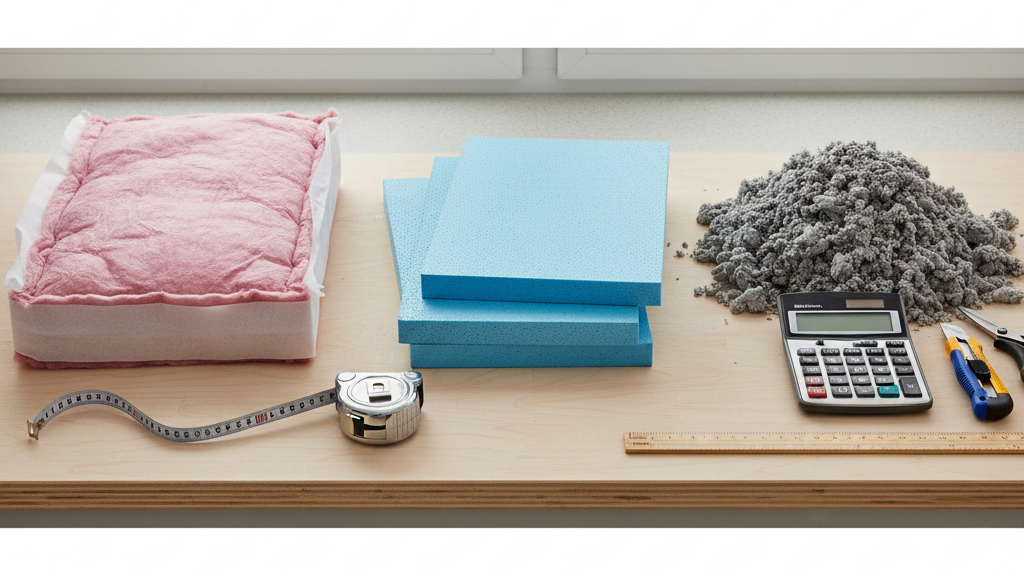
Different insulation materials offer different R‑values per inch of thickness. Here’s a quick overview:
| Insulation Type | Typical R‑Value per Inch |
|---|---|
| Fiberglass Batt | R‑2.9 to R‑3.8 |
| Blown‑In Cellulose | R‑3.2 to R‑3.8 |
| Spray Foam (Open Cell) | R‑3.5 to R‑3.8 |
| Spray Foam (Closed Cell) | R‑6.0 to R‑6.5 |
As you can see, closed‑cell spray foam offers the highest R‑value per inch, making it an excellent choice for areas where space is limited or where air sealing is especially important. Blown‑in cellulose and fiberglass batts are cost‑effective for attic and wall cavities with enough space to reach recommended R‑values.
When to Upgrade Your Insulation
Even if your home already has insulation, it may be worth upgrading if:
- You notice large temperature swings between rooms
- Your energy bills are higher than expected
- Your insulation is older than 15–20 years
- You see ice dams on the roof in winter
- Your insulation appears compressed, discolored, or damaged
Upgrading or adding insulation can improve comfort and lower your energy bills almost immediately. In many cases, the long‑term savings pay back the upfront cost over time through reduced energy use.
Air Sealing: The Other Half of the Equation
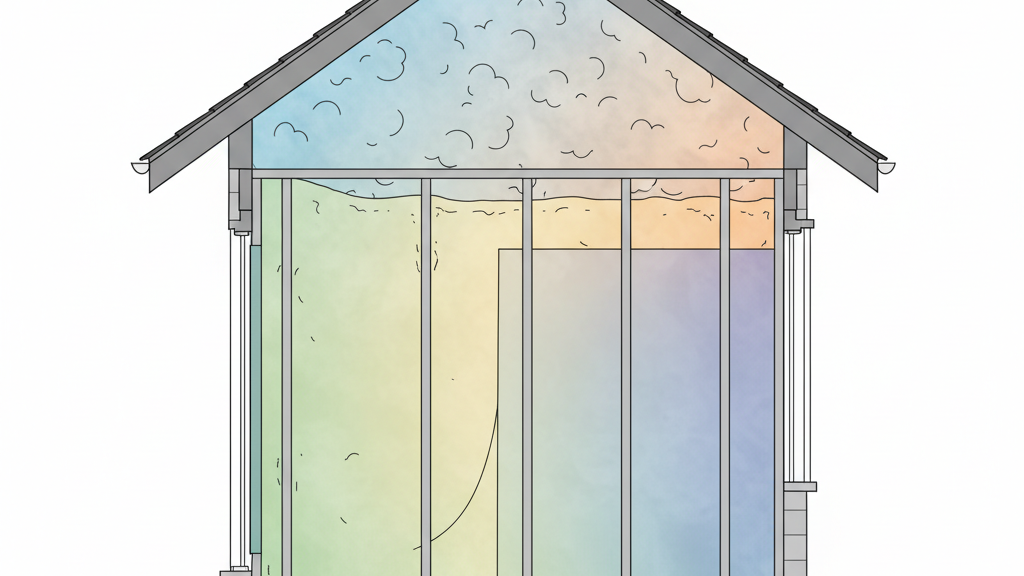
While R‑value measures thermal resistance, it doesn’t account for air leaks — which can dramatically reduce insulation effectiveness. Common air leak areas include:
- Attic hatches
- Recessed lighting
- Electrical outlets
- Plumbing penetrations
- Windows and doors
Air sealing these gaps ensures that insulation performs at its full potential by stopping warm air from escaping and cold air from entering. Combined with the recommended R‑values for attics and walls, air sealing delivers a more complete approach to energy efficiency.
If you want a comprehensive strategy that includes insulation and air sealing, Contact us for professional guidance tailored specifically to your home.
Trends: Smart Insulation Decisions for Indiana Homes
Advancements in insulation technology continue to offer homeowners better performance and greater energy savings. Expect to see:
- Higher performance spray foam with improved R‑values and air sealing
- Blown‑in options that settle uniformly and fill gaps effectively
- Insulating sheathing and continuous exterior insulation for lower energy consumption
- Advanced installation techniques that combine insulation with moisture management strategies
Keeping up with these trends ensures your home remains efficient, comfortable, and protected against temperature extremes and moisture challenges. To explore the best options for your home, Contact us.
Ready to Improve Your Home’s Insulation?
Understanding recommended R‑values for attics and walls is an important step toward maximizing comfort, reducing energy bills, and increasing your home’s value. For the most current Indiana code minimums and utility rebate details, see our full Indiana attic and wall R-value standards guide. Whether you’re building new, renovating, or simply upgrading your insulation levels, it’s essential to choose the right materials and installation methods for Indiana’s climate.
If you’re unsure where to start or want a professional assessment of your current insulation levels, don’t wait. Contact us today. Our experts will evaluate your home, recommend optimal R‑values, and help you implement effective insulation solutions that align with your budget and goals.
Your comfort matters — and the right insulation makes all the difference.