
The excitement and expense of the holiday season can be followed quickly by the unwelcome surprise of high utility bills in January and February. As temperatures drop across Indiana, many homeowners notice a spike in heating costs that feels disproportionate to their energy use. If this sounds familiar, you are not alone—rising utility costs after the holidays are a common concern for families in the Hoosier State.
The good news is that investing in improved home insulation can deliver significant returns: lower bills, increased comfort, and long-term savings. In this article, we’ll break down how to calculate your return on investment (ROI) when installing or upgrading insulation. We’ll also help you understand how new insulation can pay back its cost in reduced utility expenses and enhanced home comfort—and why contacting insulation professionals can be one of the smartest financial decisions for your Indiana home this year.
Why Indiana Homes Face Higher Heating Costs
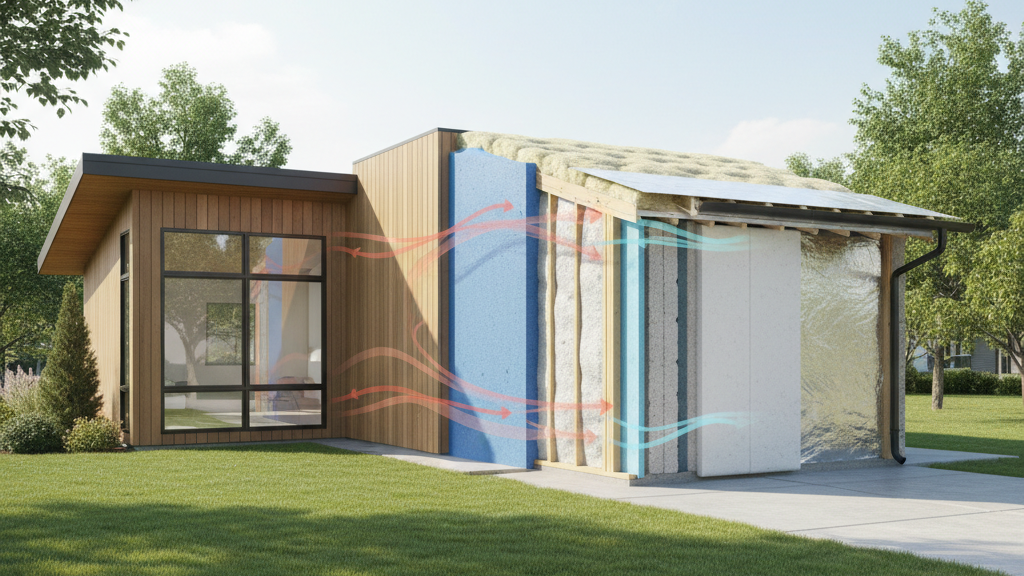
Indiana’s climate is defined by cold winters and fluctuating temperatures that put pressure on heating systems. When warm air escapes through poorly insulated attics, walls, or crawl spaces, your furnace must work harder to maintain a comfortable indoor environment. This not only increases your energy consumption but also results in higher utility bills, especially during the peak winter months.
Proper insulation is designed to act as a thermal barrier, reducing heat transfer between the interior of your home and the cold outside air. Without sufficient insulation, heated air leaks out and cold air infiltrates your living space. This heat loss forces your HVAC system to run longer and more frequently, driving up your energy costs each month.
That means insulation is not just about warmth—it’s about efficiency. When your home is properly insulated, it retains heat more effectively, reducing demand on your heating system and lowering your energy bills over time.
Understanding ROI: What It Means for Insulation
Return on investment (ROI) is a financial metric used to evaluate the efficiency of an investment. When applied to home insulation, ROI helps homeowners determine how long it will take for the savings on energy bills to equal or exceed the initial cost of the insulation project.
To calculate ROI on new insulation, consider the following components:
- Project Cost: The total cost of materials and labor for insulation installation.
- Annual Energy Savings: The expected reduction in heating and cooling costs due to improved energy efficiency.
- Payback Period: The number of years it takes for your energy savings to cover the cost of the insulation project.
Industry studies and energy calculators indicate that upgrading insulation can lead to a reduction in total energy costs by up to 30 percent annually. That can translate into hundreds of dollars in savings each year for many Indiana homeowners. :contentReference[oaicite:0]{index=0}
Step-by-Step: How to Estimate Your ROI
Calculating ROI starts with estimating your current energy costs and projected savings once new insulation is installed. Here’s a practical way to approach it:
1. Determine Your Current Annual Heating Costs
Look at your energy bills from the past year and calculate how much you’ve spent on heating. Make sure to include both gas and electric costs if applicable. This total will serve as your baseline for comparison.
2. Estimate Potential Energy Savings
Proper insulation reduces heat loss, which directly lowers the amount of fuel or electricity your HVAC system needs. Based on typical insulation improvements, many homeowners can save 15–30 percent on heating and cooling costs. Factors that influence this include the type of insulation installed, the size of your home, and current insulation levels. :contentReference[oaicite:1]{index=1}
3. Add Up Insulation Installation Costs
Insulation costs vary based on material type, coverage area, and home accessibility. Common options include blown-in attic insulation, spray foam, batt insulation, and dense-pack wall insulation. The total cost includes both materials and labor. A professional contractor can provide a detailed quote that reflects your home’s specific needs.
4. Calculate Your Payback Period and ROI
The payback period is calculated by dividing your total project cost by the annual energy savings you expect after installation. For example, if your insulation project costs $4,000 and you save $800 per year on energy bills, your payback period is 5 years.
ROI can then be calculated as a percentage over a 10–20 year period. A shorter payback period and higher annual savings generally mean a stronger ROI. Projects that start saving you money in a few years or less are typically considered excellent investments.
Beyond Energy Savings: Additional Benefits of Insulation
While lower utility bills are a compelling benefit of new insulation, there are other advantages that contribute to long-term financial value:
- Improved Comfort: Insulation helps maintain consistent temperatures throughout your home, eliminating cold drafts and hot spots.
- Reduced HVAC Strain: A more efficient building envelope reduces wear and tear on your heating and cooling systems.
- Better Indoor Air Quality: Properly sealed insulation helps reduce drafts and minimizes pollutant entry from outside air.
- Increased Home Value: Energy-efficient upgrades can be attractive to future buyers and may contribute to higher appraised values.
Where Insulation Makes the Biggest Impact
Not all areas of your home contribute equally to heat loss. Targeting the right zones can improve ROI significantly:
Attic Insulation
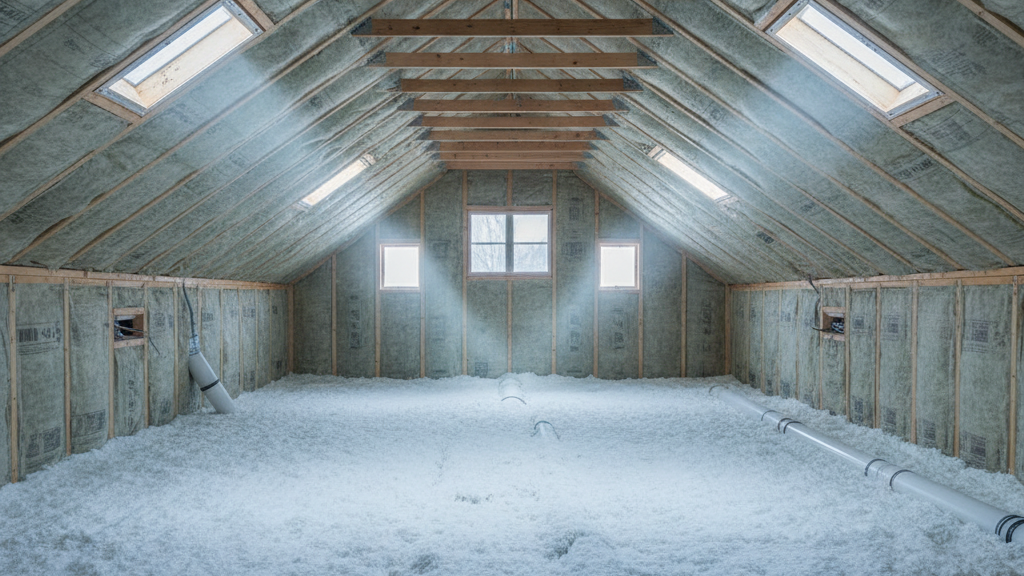
The attic is often the largest source of heat loss in Indiana homes. Since heat rises, insufficient attic insulation allows warm air to escape quickly. Upgrading attic insulation increases R-value, stabilizes indoor temperatures, and can prevent issues like ice dams during winter. :contentReference[oaicite:2]{index=2}
Walls and Floors
Walls with inadequate insulation can let cold air infiltrate your living spaces. Many older homes lack sufficient wall insulation, making it a high-priority area for improvement. Crawl spaces and floors above unheated areas also play a significant role in energy loss if not properly insulated.
Crawl Space and Basement
Crawl spaces and basements are often overlooked but can have significant air leakage. Insulating these areas with rigid foam or spray foam and adding a vapor barrier can reduce energy loss and improve comfort on lower floors.
Air Sealing
Insulation is most effective when combined with proper air sealing. Sealing gaps around windows, doors, plumbing penetrations, and ductwork ensures warm air stays inside where it belongs. This step maximizes your insulation investment and improves overall building performance.
Choosing the Right Insulation and Professionals
Selecting the right type of insulation and a qualified installation contractor is essential to achieving a high ROI. Professional installers assess your home’s current insulation levels, identify areas of heat loss, and recommend materials tailored to your climate and budget. They are also equipped to air-seal problem areas and ensure proper ventilation, which can further enhance energy savings.
From blown-in attic insulation to spray foam and dense-pack wall insulation, each type has unique benefits. A customized strategy ensures your home gets the most out of every dollar invested in energy efficiency. :contentReference[oaicite:3]{index=3}
Getting Started: Contact Us for a Professional Evaluation
If you’re concerned about rising utility costs or want to improve your home’s comfort and efficiency, now is a great time to take action. Home insulation is not just a short-term fix—it’s a long-term investment with measurable financial and comfort benefits for your Indiana home.
Contact us today to schedule a professional evaluation and learn how new insulation can pay for itself through lower energy bills and better home performance.
Your home deserves insulation solutions designed to match Indiana’s climate and your family’s needs. Don’t let another winter pass with wasted energy and high bills. Contact us now to get started.