
As the cost of heating and cooling continues to rise, homeowners across Indiana are looking for smart ways to reduce energy waste and improve indoor comfort. One of the best steps you can take before 2026 is identifying and fixing energy inefficient areas in your home. By improving your home’s insulation and sealing leaks, you can lower utility bills, reduce HVAC strain, and enjoy a more comfortable home throughout the year.
At Homeward Insulation, we help Indiana homeowners spot and resolve hidden problem areas that cause unnecessary energy loss. Below, we explain the key places to check and how to identify energy inefficiencies before they lead to higher costs or damage.
1. Start with the Attic
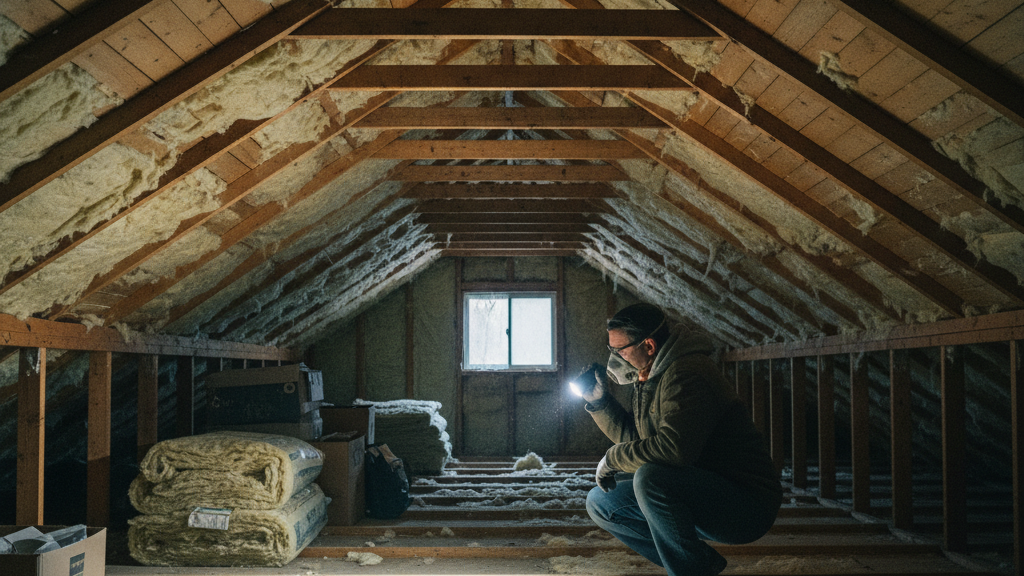
The attic is often the number one source of energy loss in residential homes. Heat rises, and if your attic is not properly insulated or sealed, warm air escapes during the winter and hot air seeps in during the summer. This forces your HVAC system to work harder and costs you more in energy bills.
Signs of Attic Energy Inefficiency:
- Uneven temperatures in upstairs rooms
- Cold drafts or hot spots in upper levels
- Ice dams forming on the roof in winter
- Visible joists or thin insulation layers
Proper attic insulation should fully cover the floor and reach the recommended R-value for Indiana homes, which is typically R-49 to R-60. If you can see the floor joists, or your insulation is uneven, you may not be getting the protection your home needs.
2. Inspect Windows and Doors for Air Leaks
Another common source of energy loss is air leaking around windows and doors. These gaps may seem small, but they can have a big impact on your heating and cooling costs. Even modern windows can leak air if they were not sealed correctly during installation.
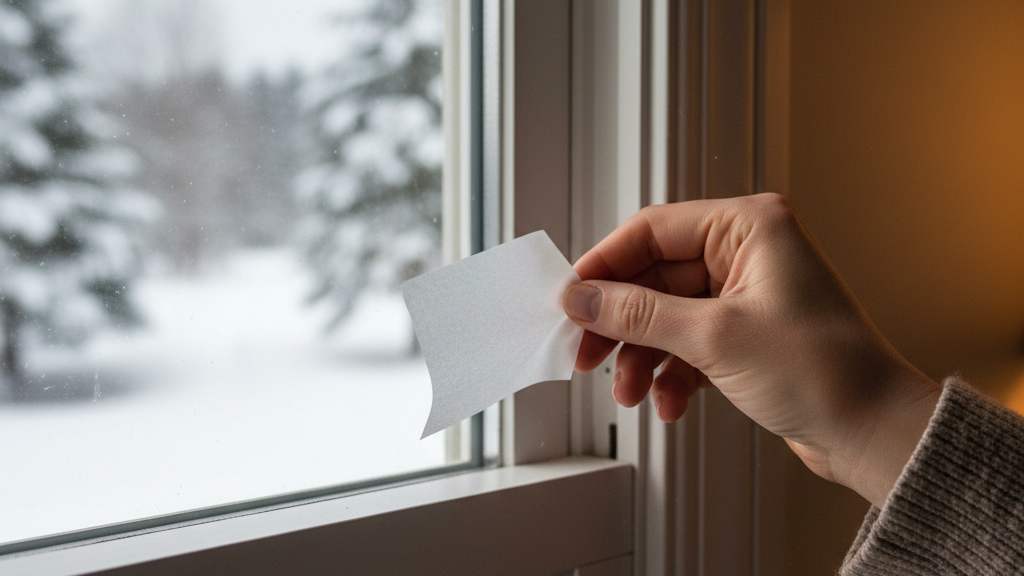
Simple Ways to Check for Leaks:
- Hold a candle or piece of tissue near window and door edges on a windy day and look for movement
- Run your hand along the edges to feel for cold air coming in
- Look for light coming through closed doors or windows
If you detect a draft, weatherstripping, caulk, or upgrading to energy-efficient windows can help improve the seal and reduce energy waste.
3. Check Crawl Spaces and Basements
Crawl spaces and unfinished basements are often overlooked, but they can significantly impact your home’s energy efficiency. These areas can allow cold air, moisture, and pests into your living space if they are not properly insulated and sealed.
Warning Signs to Look For:
- Cold floors above the crawl space
- High humidity or musty smells in the basement
- Visible gaps or cracks around the foundation or sill plate
- No visible insulation or deteriorating material
Insulating your crawl space and sealing rim joists with foam insulation helps maintain a stable indoor temperature, prevent moisture buildup, and reduce HVAC workload.
4. Look Around Recessed Lights, Vents, and Openings
Other hidden areas where energy escapes include recessed lighting fixtures, ductwork, and plumbing or electrical penetrations. If these spots are not properly sealed, they can become a major source of heat loss and air leakage.
What to Look For:
- Gaps or cracks around light fixtures
- Unsealed ductwork in unconditioned spaces
- Poorly insulated HVAC runs
- Openings around pipes or wires in walls or floors
Using foam sealant or gaskets around these areas can help close gaps and improve your overall energy efficiency.
5. Examine Walls for Missing Insulation
Exterior walls that lack insulation can make your home harder to heat in the winter and cool in the summer. While it is harder to visually inspect walls without removing drywall, there are ways to tell if your walls may be under-insulated.
Clues That Your Walls May Be Inefficient:
- Rooms that are colder or hotter than others
- Walls that feel cold to the touch in winter
- Excessive outside noise
- High heating or cooling costs despite a working system
Blown-in insulation can often be added to existing walls with minimal disruption. This is a cost-effective way to upgrade without a full renovation.
6. Schedule a Professional Energy Assessment
If you are unsure where your home is losing energy, the best option is to schedule a professional energy audit. At Homeward Insulation, we use tools like thermal imaging cameras and blower door tests to identify air leaks, insulation gaps, and inefficiencies that might be missed in a visual inspection.
With this data, we can create a custom insulation and air sealing plan to improve your home’s efficiency and comfort before 2026.
Benefits of Addressing Energy Inefficiencies Now
Fixing energy inefficient areas in your home brings many benefits, including:
- Lower monthly energy bills
- Better year-round indoor comfort
- Less wear and tear on your HVAC system
- Improved indoor air quality and moisture control
- Higher resale value for your home
Making these upgrades before 2026 also helps you get ahead of rising energy costs and potential building code changes that may affect insulation standards in the future.
Get Expert Help From Homeward Insulation
Identifying energy inefficient areas is the first step toward creating a more comfortable and efficient home. Whether you need to upgrade attic insulation, seal crawl spaces, or evaluate wall performance, our experienced team can help you make smart improvements that last.
Contact us today to schedule your insulation assessment and start saving energy before the next season arrives. Let Homeward Insulation help you prepare your home for a more efficient and comfortable 2026.