
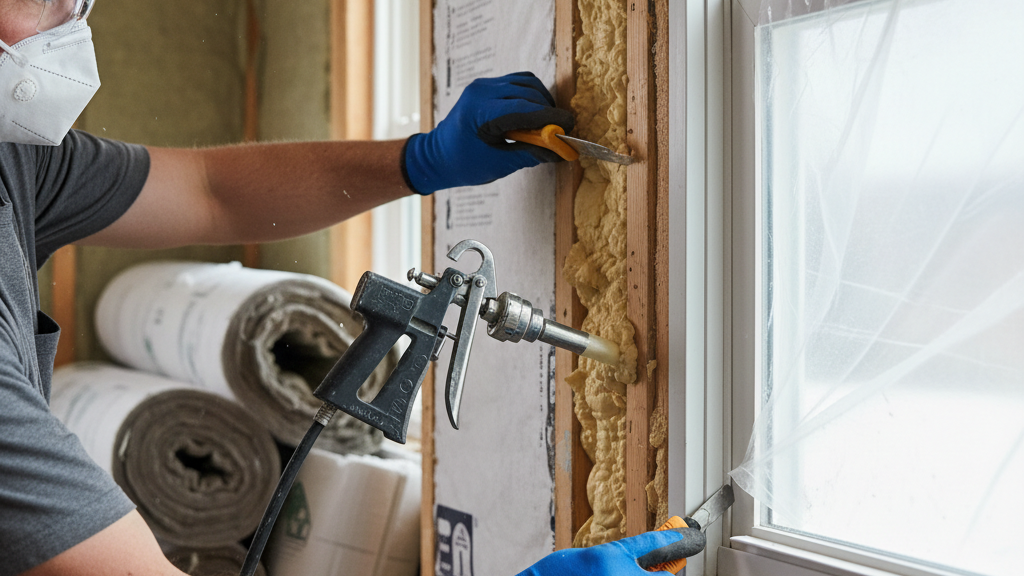
As the year comes to a close and winter temperatures drop across Indiana, now is an ideal time to think about upgrading your home’s insulation. Quality insulation is not just about staying warm. It is also about improving energy efficiency, reducing heating bills, and extending the life of your HVAC system. At Homeward Insulation, we help Indiana homeowners prepare for cold weather with expert insulation solutions that deliver real value.
In this article, we explain why making insulation upgrades before the end of the year pays off in comfort, savings, and home protection during Indiana’s harsh winter months.
Why Insulation is Critical for Indiana Winters
Indiana winters can bring freezing temperatures, snow, and long periods of cold. Without proper insulation, your home loses heat through the attic, walls, floors, and crawl spaces. As warm air escapes, your heating system must work harder and run longer, leading to higher energy bills and added strain on equipment.
Insulation works as a thermal barrier. It slows the transfer of heat and helps maintain consistent indoor temperatures. When your home is properly insulated, you use less energy to keep it warm and comfortable.
How Insulation Upgrades Lead to Energy Savings
According to industry data, properly insulating and sealing a home can reduce total energy costs by up to 30 percent. For many Indiana families, that can mean hundreds of dollars in annual savings. During the coldest months, the savings can be even greater.
Better insulation also reduces temperature swings, eliminates cold spots, and improves overall comfort throughout your home. Combined with air sealing, insulation helps control moisture, prevents drafts, and improves indoor air quality.
Top Areas to Upgrade Insulation Before Winter
Attic Insulation
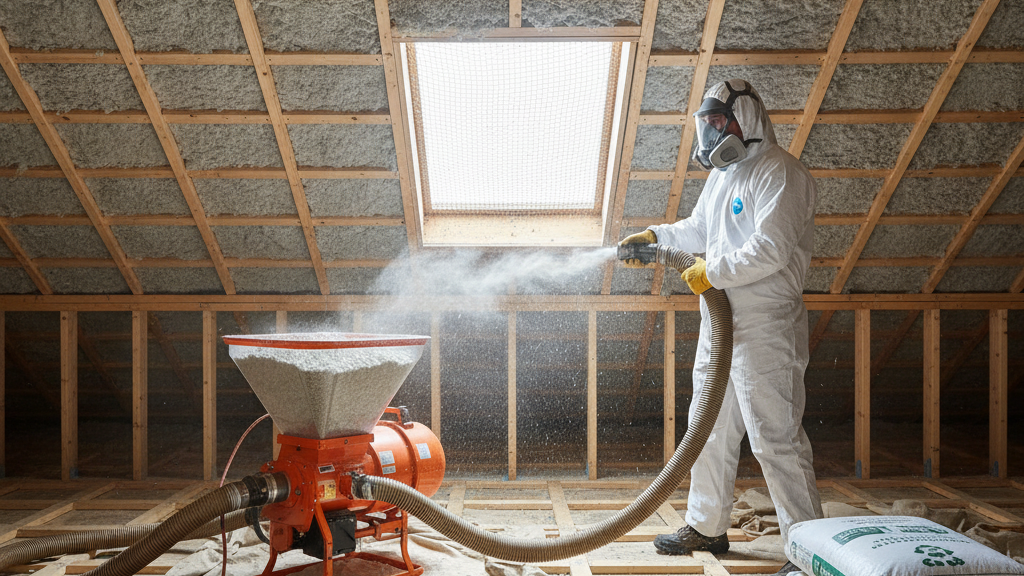
In Indiana homes, the attic is often the largest source of heat loss. Since warm air rises, poor attic insulation allows valuable heat to escape. Upgrading your attic with blown-in cellulose or fiberglass insulation increases your home’s R-value and cuts down on energy waste. It also helps prevent ice dams, which can damage your roof and gutters during snow melt cycles.
Wall and Floor Insulation
Walls, floors above unheated areas, and crawl spaces can let in cold air if not properly insulated. Cold floors and drafts near walls are common signs of inadequate insulation. Adding or upgrading insulation in these areas improves comfort and reduces heating demand.
Crawl Space Insulation
Crawl spaces are often overlooked, but they are essential to your home’s energy performance. Cold air entering through rim joists and exposed foundation walls can chill your floors and affect your heating system. Installing rigid foam or spray foam insulation in your crawl space and sealing gaps with a vapor barrier can have a major impact on both comfort and energy use.
Air Sealing
Insulation works best when paired with proper air sealing. Air leaks around windows, doors, vents, and plumbing penetrations allow warm air to escape and cold air to enter. Sealing these gaps with caulk, foam, or weatherstripping ensures your insulation works as intended. The result is a tighter, more efficient building envelope.
Benefits of Upgrading Before Year End
There are several advantages to upgrading insulation before the end of the year:
- Immediate Savings: You begin saving on heating costs as soon as your upgrades are complete.
- Improved Comfort: Eliminate drafts and cold spots throughout your home during the coldest months.
- Less HVAC Wear: Your heating system will not have to work as hard, which can reduce repairs and extend its life.
- Moisture Control: Insulation and sealing help manage moisture and reduce the risk of mold or rot.
- Environmental Impact: Using less energy reduces your carbon footprint and supports sustainability.
Understanding R-Value for Indiana Homes
When upgrading insulation, R-value is a key factor. It measures the insulation’s resistance to heat flow. The higher the R-value, the better the material insulates. In Indiana, which is in Climate Zone 5, the Department of Energy recommends:
- Attics: R-49 to R-60
- Walls: R-13 to R-21
- Floors: R-25 to R-30
- Crawl Spaces: R-19 or higher
At Homeward Insulation, we help you choose the right insulation type and R-value for every area of your home. Our materials are selected to perform in Indiana’s cold, wet winter conditions and meet the highest standards for safety and efficiency.
Combine Insulation with Air Sealing for Maximum Results
To get the most out of your insulation upgrade, it is important to also address air leaks. Sealing and insulating together results in better comfort, lower utility bills, and a healthier home environment. Common areas to seal include:
- Attic hatches and recessed lights
- Basement rim joists
- Exterior doors and window frames
- Plumbing and electrical penetrations
Start the New Year with a More Efficient Home
Investing in insulation at the end of the year prepares your home for the harshest part of winter and sets you up for lower energy costs in the months ahead. Whether you are experiencing cold drafts, rising utility bills, or rooms that never seem to stay warm, insulation upgrades can make a noticeable difference.
Our team at Homeward Insulation provides expert advice, professional installation, and high-performance materials tailored for Indiana homes. We offer solutions that increase energy efficiency, improve comfort, and protect your home all year long.
Contact us today to schedule an insulation assessment or learn more about how you can save energy this winter with a year-end upgrade.