
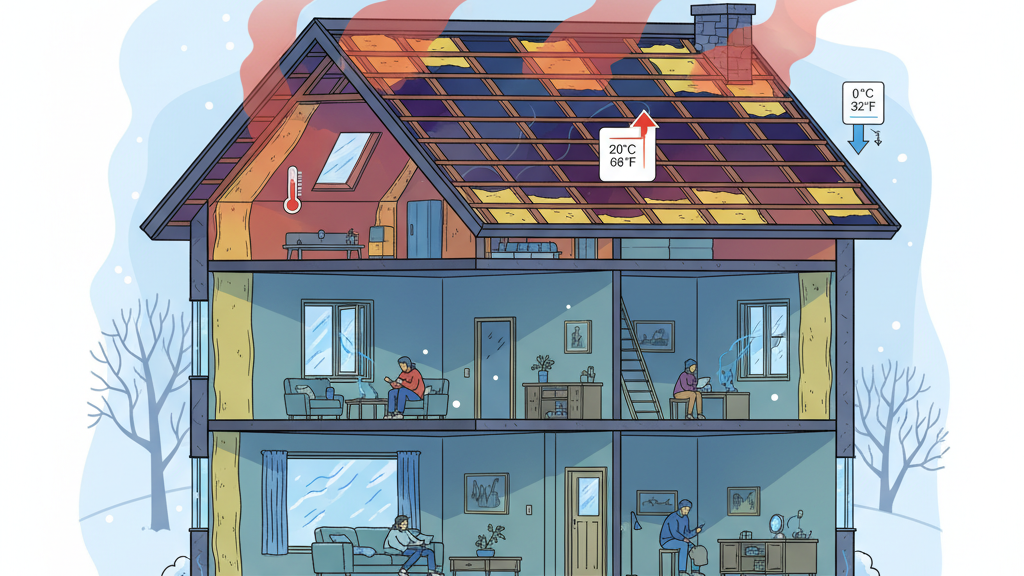
As winter approaches, now is the time to make sure your home is ready. Cold drafts, rising heating costs, and uncomfortable rooms are telltale signs that your insulation may not be pulling its weight. At Homeward Insulation, we believe that a properly insulated home doesn’t just save on energy — it offers year-round comfort and peace of mind. Below, we walk you through key indicators that your home may need an insulation upgrade before the chill sets in.
1. Rising Heating Bills Without a Clear Cause
If your energy bills have crept upward even though your thermostat settings haven’t changed, it could signal that your insulation is failing. Heat can escape through weak or degraded insulation, forcing your furnace or heating system to run longer and harder. Many homeowners don’t realize that insulation plays a major role in regulating heating and cooling demands.
Before assuming it’s an equipment issue, have your insulation evaluated. Sometimes simply topping off an existing insulation layer can make a noticeable difference.
2. Uneven Temperatures and Cold Spots
Do some rooms feel noticeably cooler than others, even when the heating is on full blast? Uneven temperatures are a common symptom of insulation gaps or deterioration.
Look for walls, ceilings, or floors that feel cold to the touch, especially near exterior surfaces. If you’re constantly adjusting the thermostat room by room, that’s a red flag that your insulation isn’t doing its job.
3. Drafty Walls, Floors, or Windows
Even with windows and doors closed, you might feel air leaking in around baseboards, electrical outlets, plumbing penetrations, or recessed lighting. These drafts suggest that your home’s thermal envelope has weak spots or incomplete coverage.
It’s especially important to check walls facing the outside — if you feel a cold breeze when you press your hand against the wall, the insulation behind it may be lacking. This is one reason we offer dense-pack wall retrofits, which inject insulation into existing wall cavities with minimal disruption.
4. Obvious Signs of Wear or Damage to Insulation
In attics, crawlspaces, or unfinished basements, older insulation may have settled, sagged, or begun to crumble. Also look for:
- Moisture, mildew, or mold stains on insulation
- Compressed, flattened, or crumbled insulation material
- Pest damage, such as nesting or droppings, within insulation
Insulation that is damp or damaged loses its effectiveness. It’s not just about filling space — the insulation must retain structure to trap air properly.
5. Noise, Condensation, or Moisture Issues
Insulation isn’t just about temperature control. It also helps buffer noise and manage moisture. If you suddenly hear more outside noise or notice condensation, dampness, or mold forming on walls or ceilings, it could mean your insulation or air-sealing has become compromised.
In many cases, you’ll need to pair insulation upgrades with improved air sealing or ventilation, since leaks can undermine even good insulation.
6. The Age of Your Home’s Insulation
If your insulation is over 15 to 20 years old, it likely does not meet current standards and may no longer perform optimally. Older insulation may not be as dense, may have settled over time, or may be made of older materials with lower R-values by today’s standards.
Especially in older homes or those that have undergone renovations, certain parts of the structure may lack proper insulation, leaving thermal weak spots.

What to Do When You See These Signs
If you’re spotting one or more of the issues above, here’s how to proceed:
- Schedule a professional insulation audit. A trained technician can utilize tools such as infrared imaging or blower door testing to pinpoint leaks and inefficiencies.
- Prioritize critical areas. Attics, ceilings, walls, basements, and crawlspaces are all common zones of heat loss.
- Select appropriate insulation types. Depending on the space and access, options such as blown-in insulation, fiberglass batts, spray foam, or dense-pack wall insulation may be used.
- Combine upgrades with air sealing and ventilation. Effective insulation must be part of a system that controls airflow and moisture.
- Verify the result. After installation, use thermal scans or blower door tests to ensure no major leaks remain.
Long-Term Benefits You’ll Notice
Investing in insulation now before winter hits pays off in multiple ways:
- Lower heating costs: Your heating system runs less to maintain a comfortable temperature.
- More consistent comfort: No more cold rooms or drafts.
- Improved indoor air quality: Better sealing reduces infiltration of pollutants, allergens, or moisture.
- Quieter home: Dense insulation helps block sound.
- Long-lasting solution: Properly installed insulation can last decades.
Why Choose Homeward Insulation
At Homeward Insulation, we specialize in making insulation work — not just adding more material. Our team understands Indiana weather and local homes, and we aim for smart, efficient upgrades rather than overselling.
We offer a range of services, including blown-in, spray foam, batt and rolled, radiant barrier, and dense-pack wall insulation.
Don’t wait until winter decides for you. If your home exhibits any of these warning signs, take action immediately. Contact us to schedule an insulation evaluation or request a quote.